INTERNATIONAL COMMUNITY WORK
Overseas Service Trip to Cambodia (November 2024)
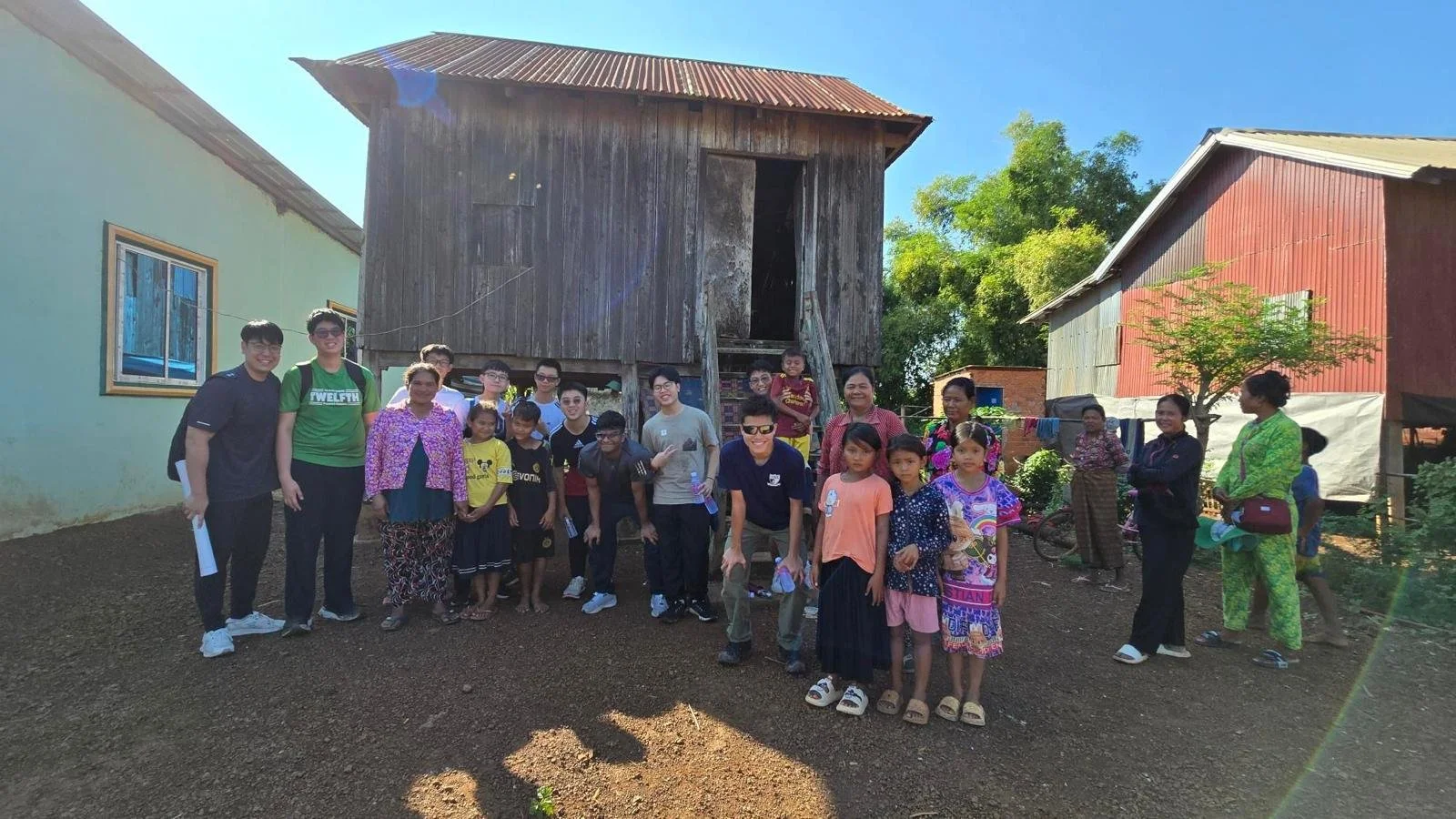
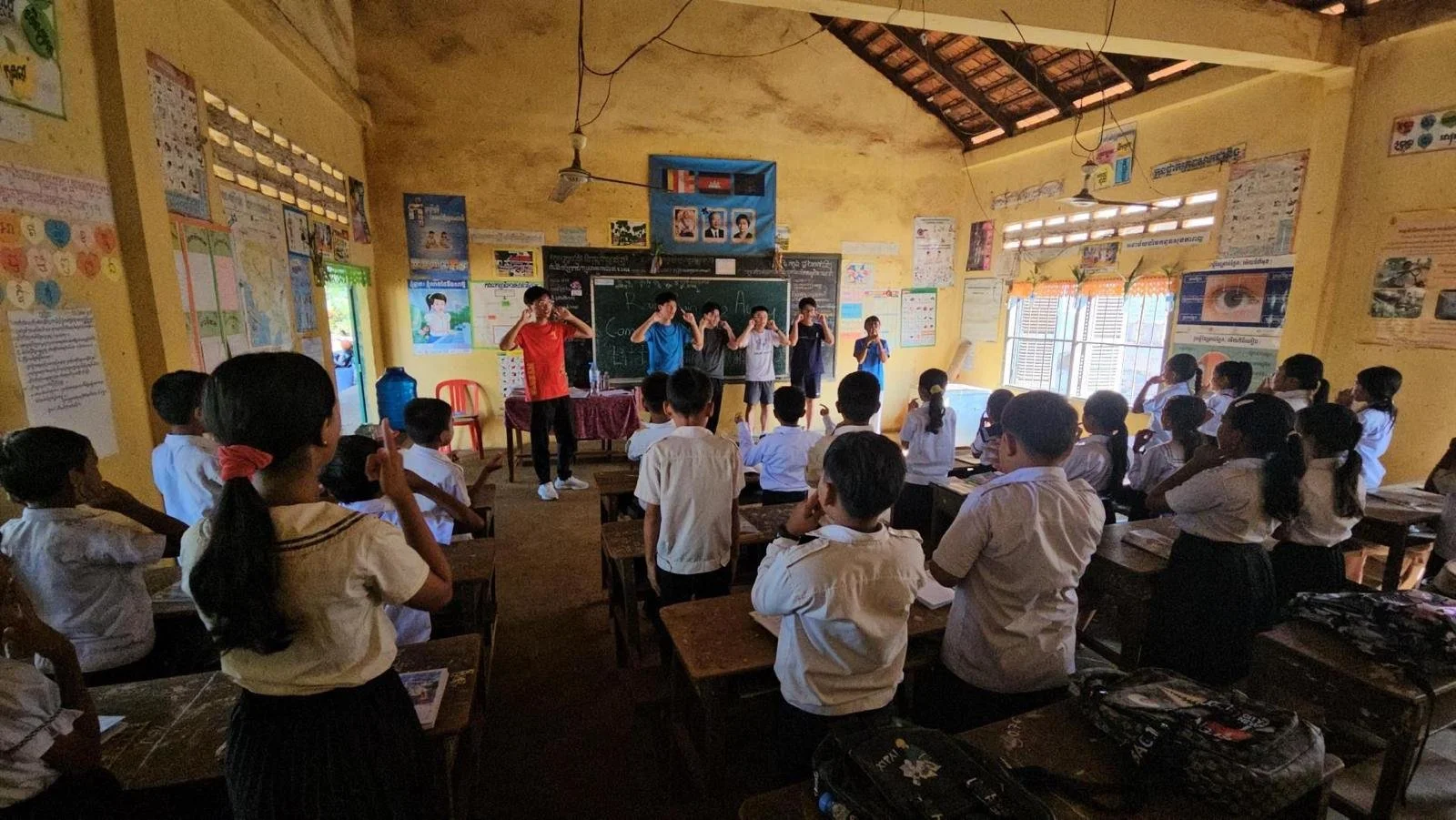
In November 2024, we flew to a rural Khmer village in Cambodia for six days. We had spent three months preparing, planning, fundraising, and eventually raising more than SGD 6,000, three times what the school had asked for. It felt like a win at the time. On the ground, the six days were full: physical work around the village, home visits with local families, and lessons at the primary school covering English, hygiene, and the environment. We came home with photos, a debrief presentation, and a sense that we had done something useful. By every measure we had been given, the trip was a success. It was only afterwards, sitting with the experience properly, that I started wondering what success actually meant in this context.
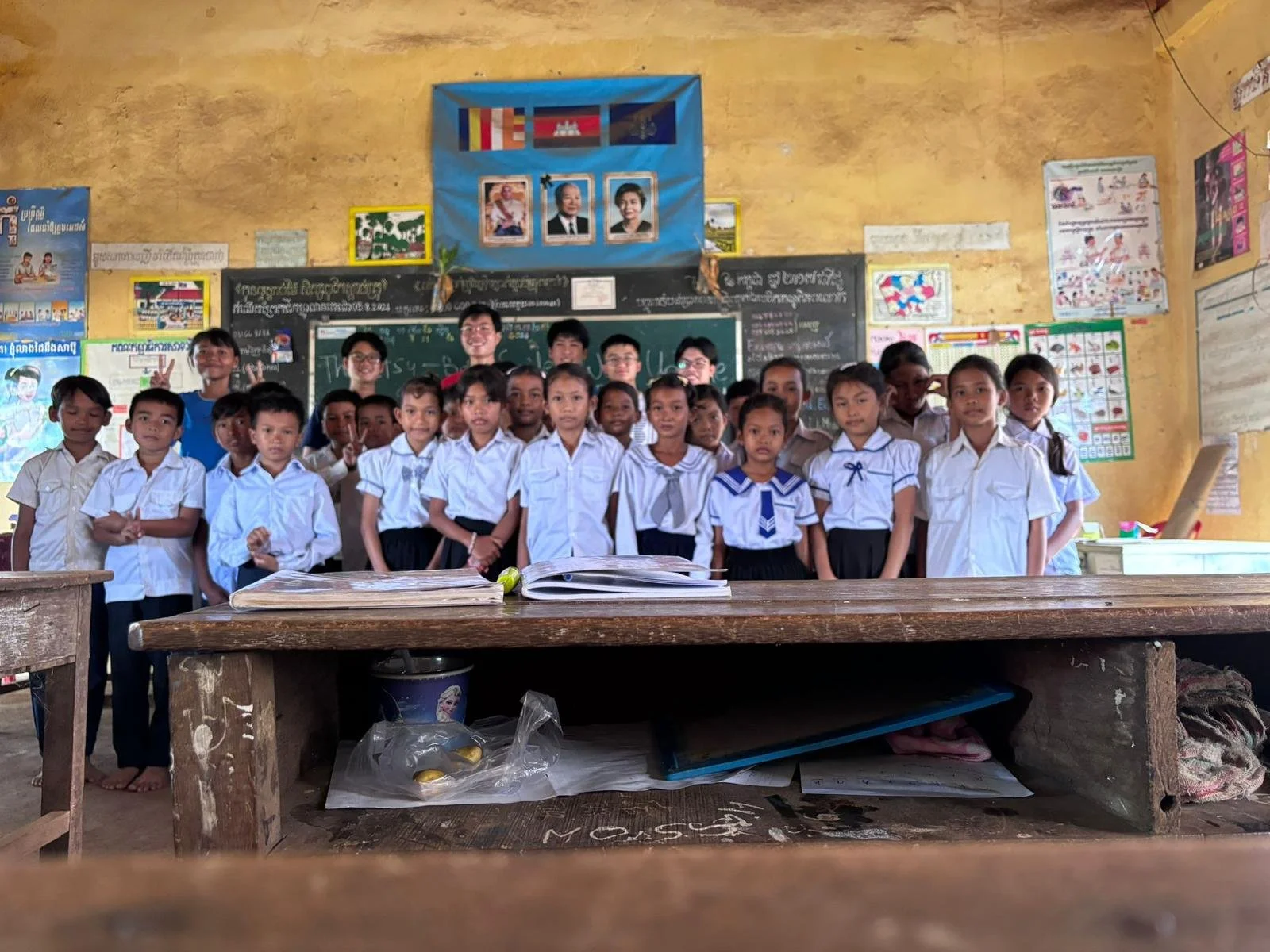
What I Went There to Do
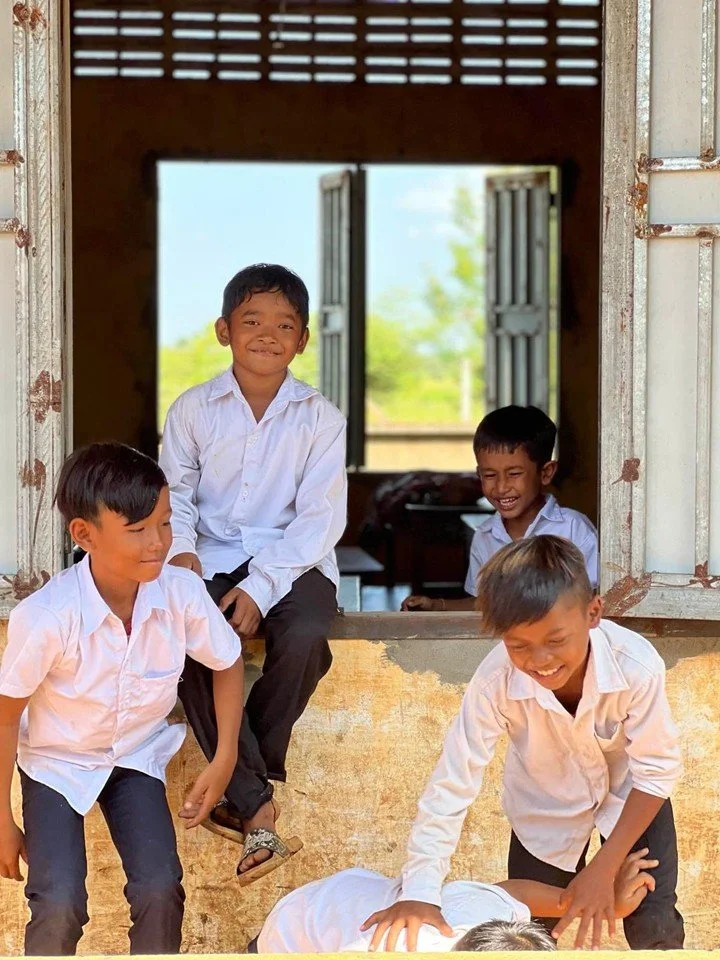
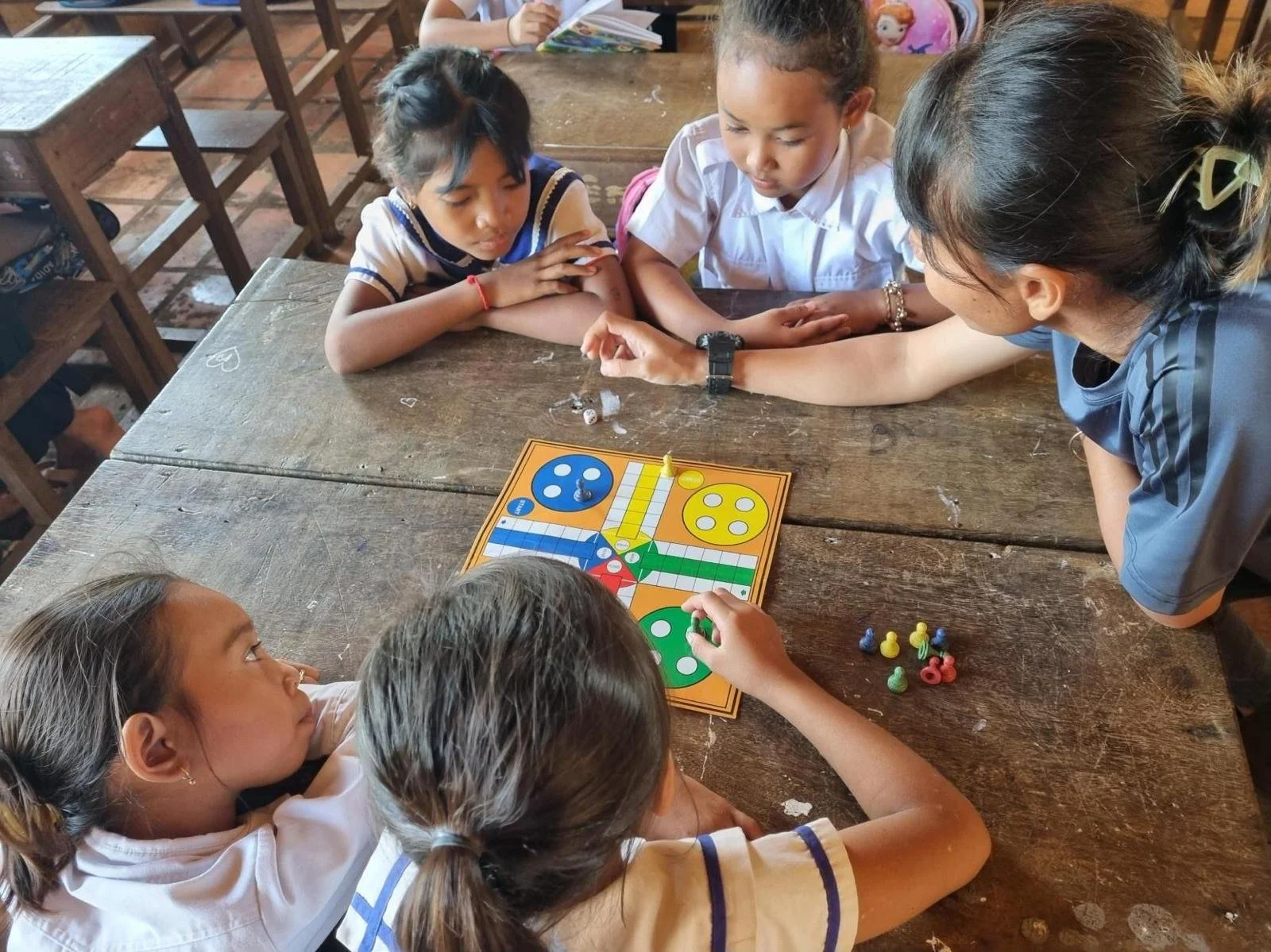
The fundraising made sense to me. Set a goal, build a team, hit the number. We did all three. What I was not ready for was everything that came after landing in Cambodia. The families we visited were not waiting to be helped. They were busy living their lives, figuring things out with a quiet resilience that I had not expected and could not quite articulate at the time. The kids at the local school were genuinely fun to teach, picking up English words and phrases with the kind of enthusiasm that made the sessions feel less like charity work and more like simply connecting with people.
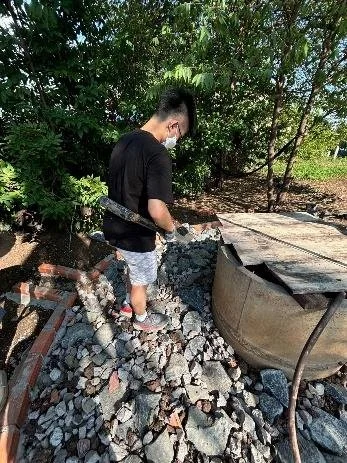
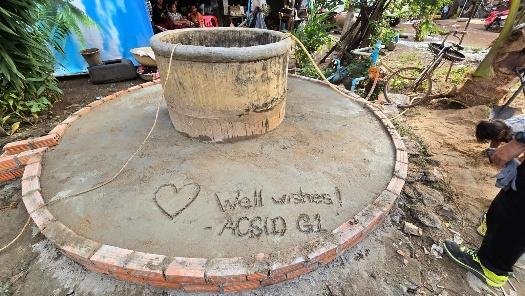
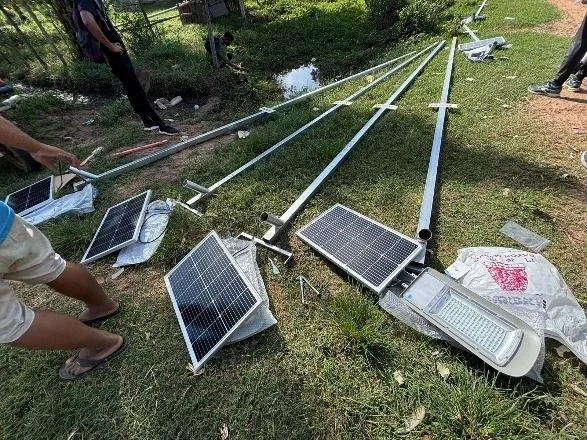
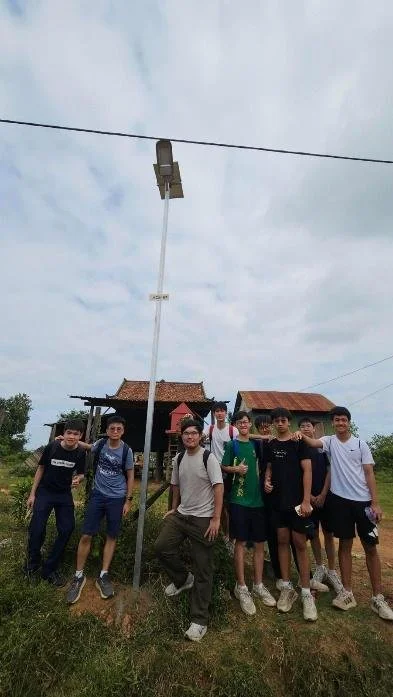
The physical work felt tangible and good: constructing pathways to newly built wells, installing solar street light panels that would light up the village long after we had flown home. Practical, lasting, and real. But something about it did not sit right. The wells, the lights, the pathways had all been conceived and funded from the outside. The community received what had been built for them. It made me wonder what they might have built for themselves instead.
What the Trip Actually Taught Me
Three months of fundraising raised SGD 6,000. Six days on the ground produced four well pathways, six solar street light panels, and more than twenty home visits. Both of those things are true, and I am genuinely proud of them. But they do not answer the question I kept returning to: what does a week of student volunteerism actually change about the conditions that made it necessary?I am not saying the trip was without value. I know it was not. The wells were real. The lights would still be on after we left. The families were genuinely glad we came. But there is a difference between doing something good and changing something structural, and I think I had spent three months confusing the two.
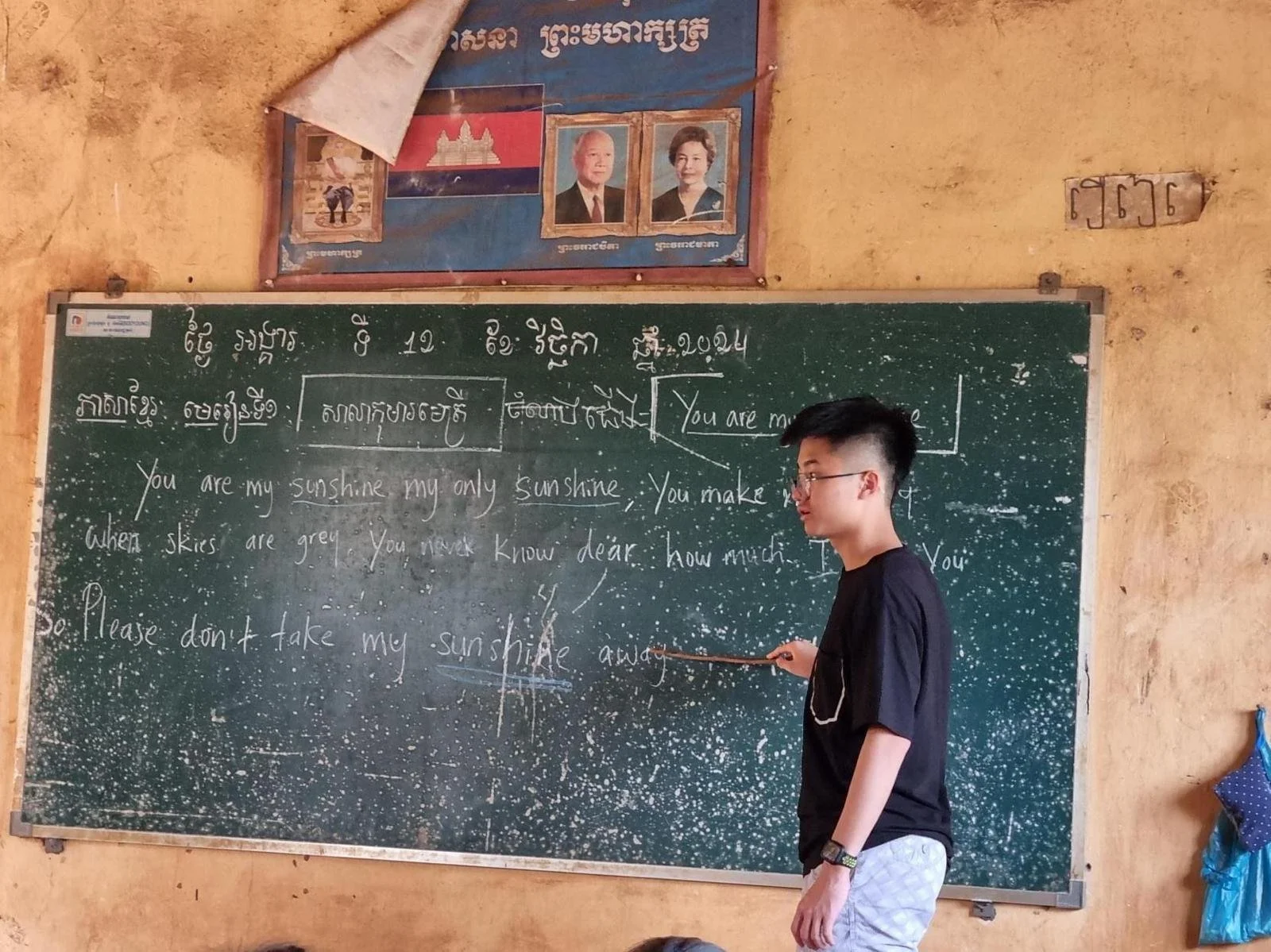
Clean water and reliable lighting in a rural Cambodian village are not problems that a school fundraiser can solve. They are infrastructure problems, governance problems. The kind that stretches back decades and cannot be fixed by a group of students in a week, however hard they try. What we could influence was the classroom. The English lessons were the part that stayed with me the most, not because they were anything special, but because of what English actually unlocks for a child growing up in rural Cambodia. It is not just a subject. It is access to tourism employment, to cross-border opportunities, and to the kind of communication that opens up a wider world.
That felt like a pattern I recognised. It was the same gap I had been trying to close at home, just in a different place.
How It Connects
At some point after my return, I realised that Cambodia was not so different from what I had been doing back home. It was the same story in a different setting. Project Flare, Project Reperio, and the casework at Meet-The-People Sessions are, in different ways, all trying to close the same gap. That ability to communicate clearly and confidently, in whatever language or format the system around you requires, does not come equally to everyone. And when it is missing, everything that depends on it becomes harder to access.
Cambodia made that visible in a way I had not seen before. The wells and the lights were real and lasting. But the children in that classroom, practising English with us for a few hours, were working on something no fundraiser can purchase: the capacity to be heard in a world that was not built with them in mind. That is the thread running through everything I am trying to build. And it is why The Unspoken Policy exists.
Testimonial
The Impact
>$6,000
Raised - 3X School’s Target
4 + 6
Wells built & Solar Light Panels installed
>200
Families visited door-to-door
>20
Direct Beneficiaries