PUBLICATIONS
Writing is not just about having something to say. It is about saying it in a way that reaches people. These publications are attempts to do exactly that.
THE BOOKS
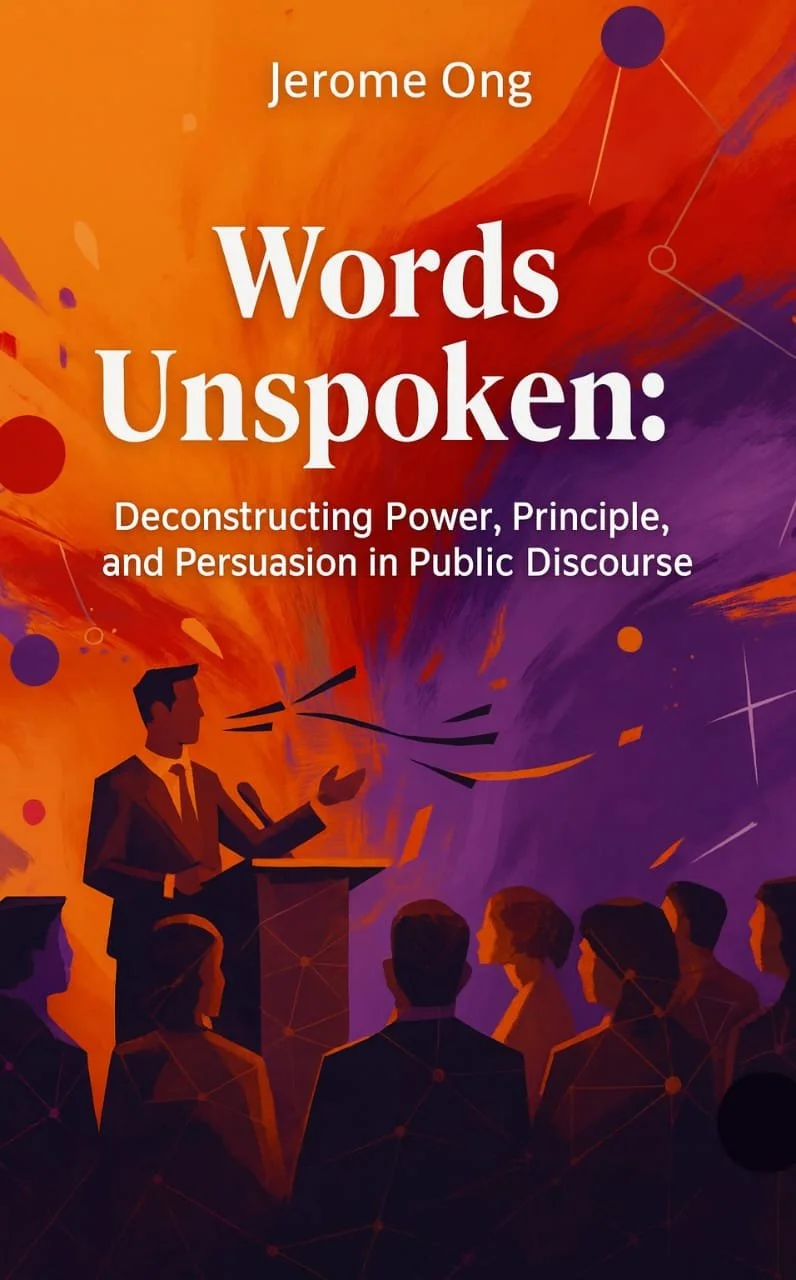
Words Unspoken is an anthology examining the role of speech in public life, drawn from conversations with politicians, journalists, academics, and consultants who have each navigated the weight of words in their own way. It begins with a question that is simple to pose but difficult to answer: what actually makes a speech matter?
The book works through that question honestly. It looks at what separates persuasion from manipulation: why some rhetoric builds genuine understanding while other rhetoric conceals, flatters, or inflames. Drawing on figures as different as Martin Luther King Jr. and Lee Kuan Yew, it shows how the same tools of emotional resonance can serve vastly different ends, and how thin the line between moral clarity and sensationalism can be.
There is also a quieter tension running through the book. It is about who gets to speak and who does not. In Singapore, especially, cultural norms place unspoken limits on public discourse around race and religion. Digital platforms have opened new channels, but tend to reward brevity over depth. Words Unspoken does not resolve these tensions so much as name them clearly, and ask what responsibility follows from having a voice at all.
What Writing It Taught Me: Working on Words Unspoken brought something into focus that I had been noticing across my community projects. The question of who gets to speak, and who gets heard, is not just a matter of confidence or cultural habit. It is built into systems. The book explores this through the lens of public life. The community projects explore it through the people sitting across from me. The question underneath both is the same one I keep coming back to.
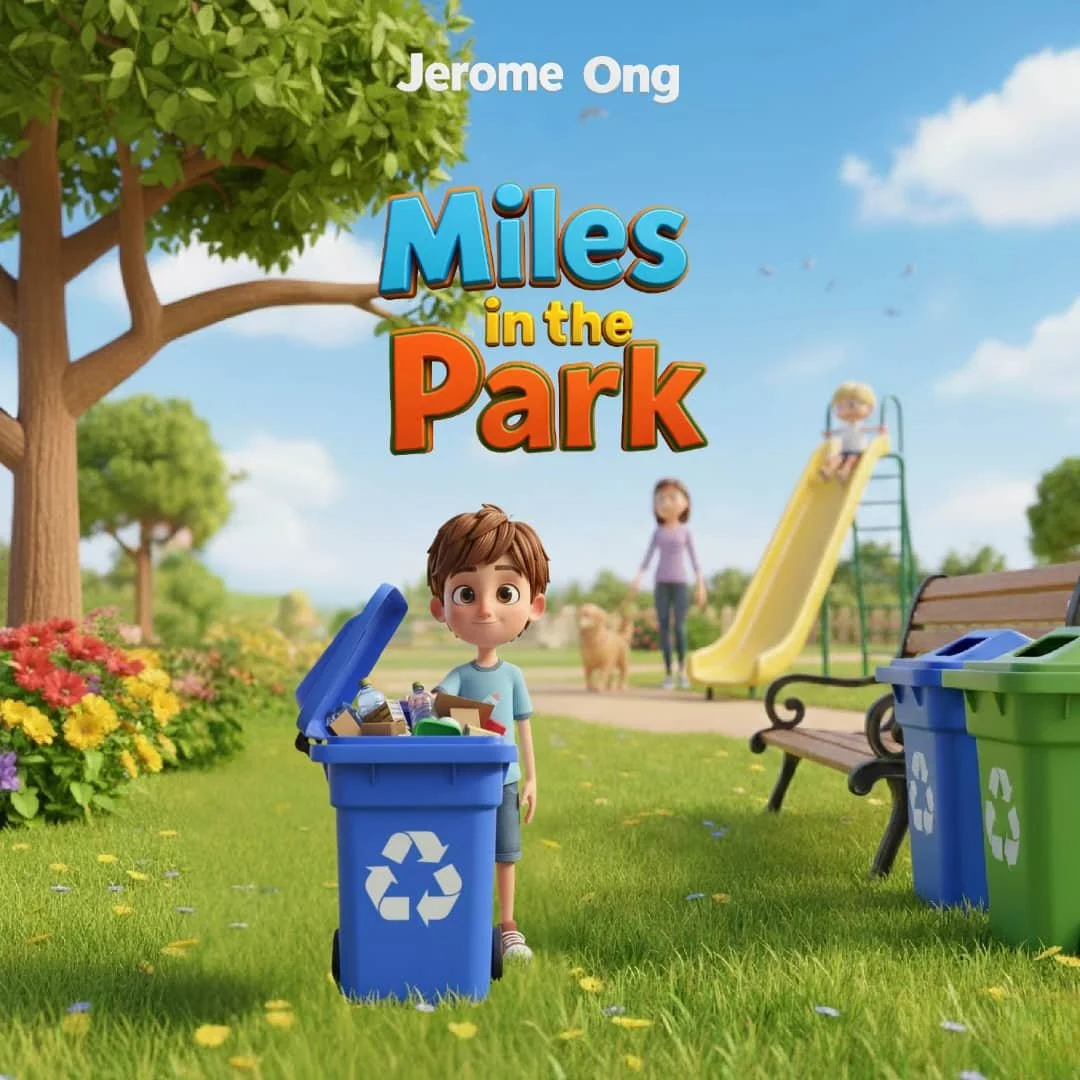
Miles in the Park is a children's picture e-book exploring the power of individual action through the journey of a young boy who discovers litter in his favourite park and decides to speak up. Written in read-aloud rhyme for early readers aged 4 to 9, it examines how even the smallest voices can influence a community and inspire collective responsibility.
Miles does not find it easy. A classmate pushes back, and for a moment, the doubt feels louder than the conviction. But a teacher's quiet encouragement is enough to keep him going. It is in that small, human exchange that the book finds its emotional core. Environmental themes like recycling and caring for shared spaces emerge naturally from the story, never as lessons to be learned, but as things Miles simply notices and cares about.
At its core, Miles in the Park raises a quietly important question: at what age does civic responsibility begin? By grounding the answer in a child's everyday experience, the story encourages young readers to see their choices — however small — as meaningful contributions to the world around them.
What Writing It Taught Me: Miles is a fictional child, but the situation he faces is one I recognise. Noticing something wrong, deciding whether to speak up, encountering resistance, and continuing anyway. That sequence plays out in real classrooms, with real students, more often than most people realise. The book is written for young readers. The question underneath it is not.
Amazon Rankings
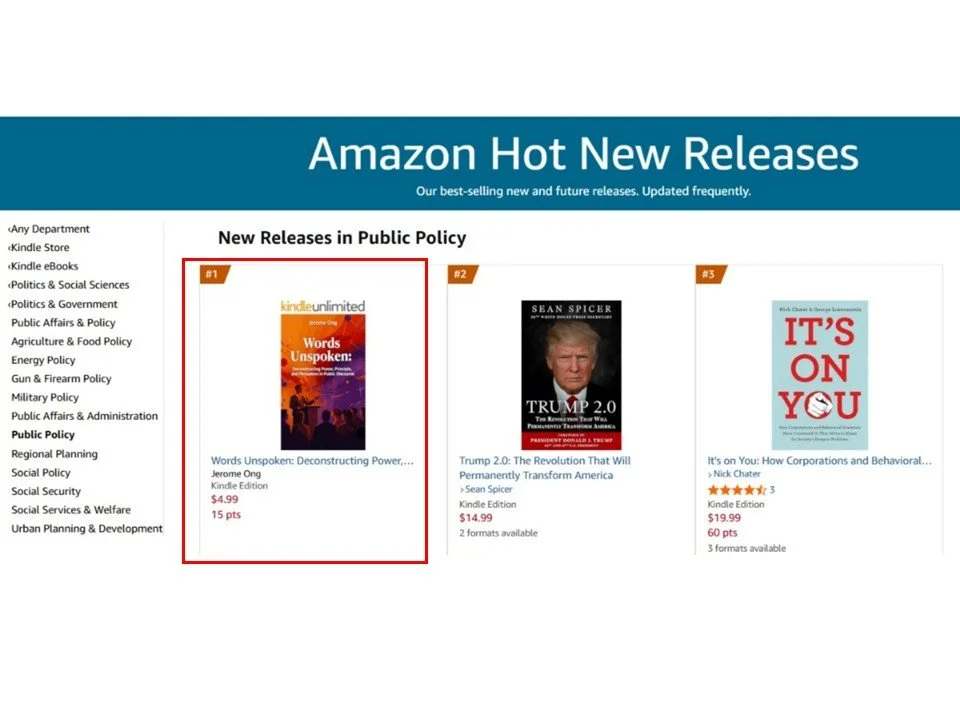
Words Unspoken – #1 Amazon Hot New Releases (Public Policy)
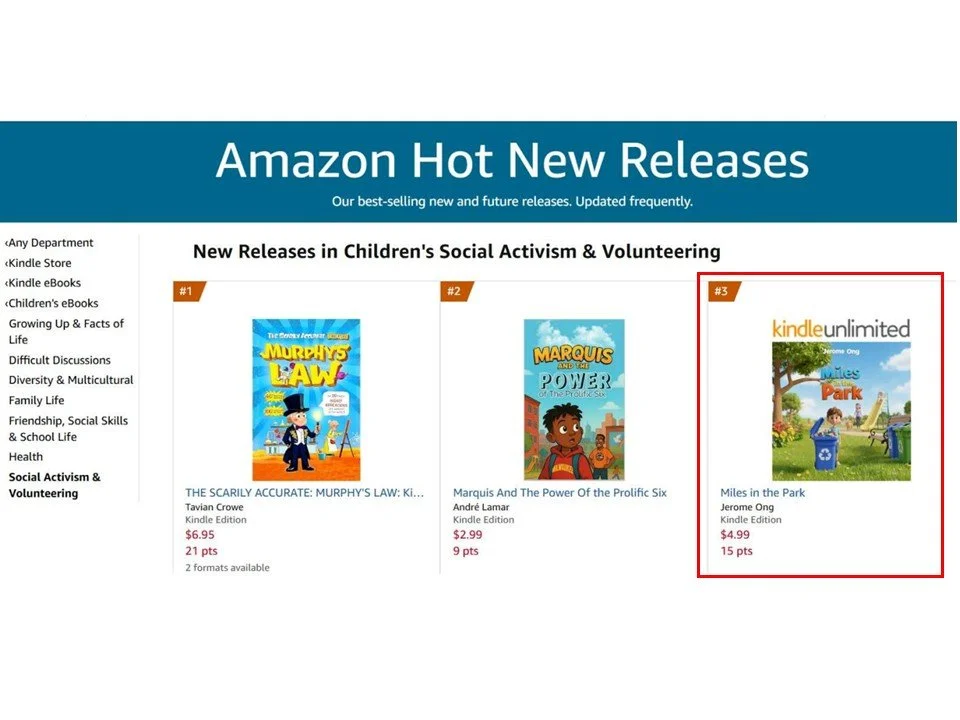
Miles in the Park – #3 Amazon Hot New Releases (Children’s Social Activism & Volunteering)
THE RESEARCH