SINGAPORE
Jerome Ong
Multilingual policy researcher, social-impact founder and youth advocate.
I study how communication barriers prevent people from accessing education, economic opportunity and public institutions, and I build programmes designed to close those gaps across Southeast Asia.
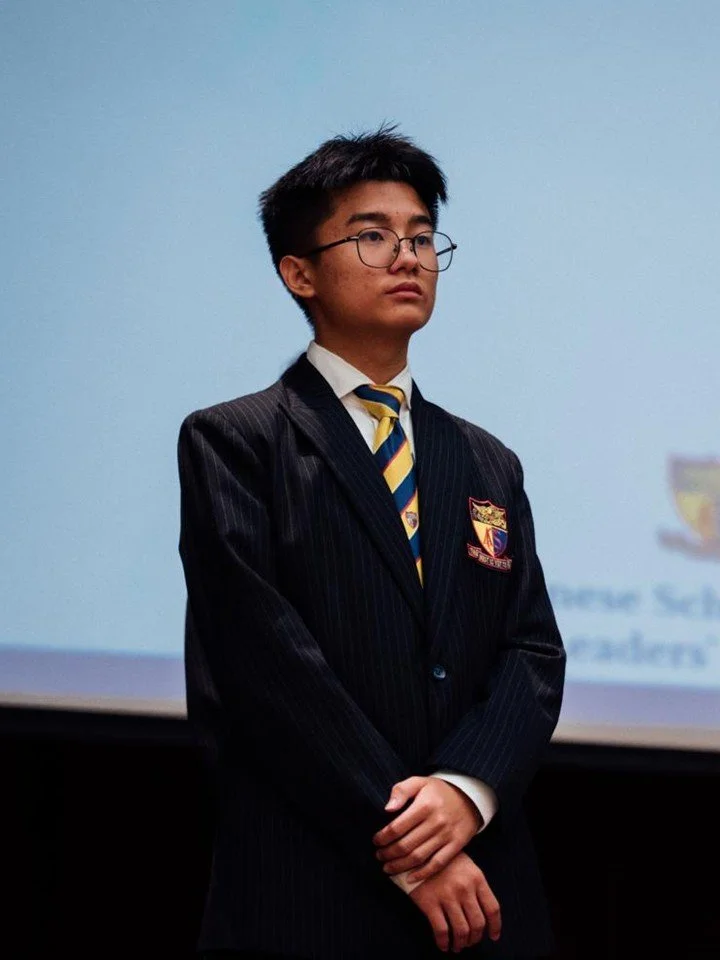
Communication is not a soft skill. It functions as infrastructure. People lose access to education, government services and employment when they cannot navigate a system’s language, communication norms or institutional expectations. I work where that gap opens: in classrooms, a constituency office and refugee education. The question underneath it all is who gets to be understood and who is left explaining themselves to a system that is not listening.
Students and community members reached through language-access work across four initiatives since 2024.
Cases I have handled at the constituency office and sessions delivered by the programmes I helped build, where language or communication was the obstacle.
Trained or working alongside me at Project Flare and Project Reperio. The teams are separate, with no overlap.
A special education school, refugee education online, a constituency office and an overseas community project.
People reached: 100 students at Project Flare, 80 at Project Reperio, 230 in Cambodia and residents across 150 casework cases. No one is counted in more than one initiative. Access cases: 150 casework cases, plus 20+ Flare sessions, 50+ Reperio sessions and six days of lessons in Cambodia, delivered by the programme teams. Figures as at August 2026; casework continues weekly. Each project page says what its own figures do and do not show.
What access adds up to
Flagship initiatives
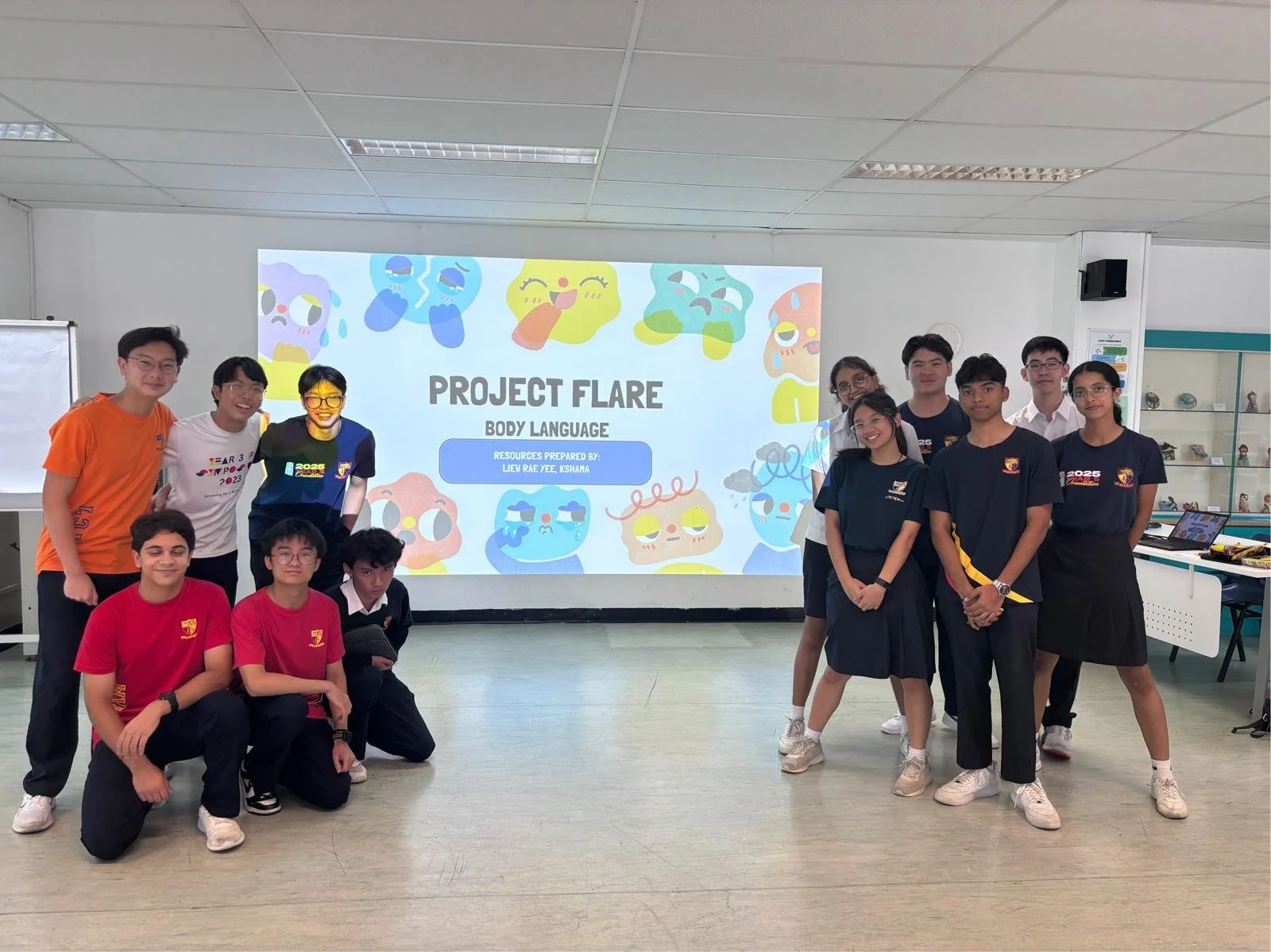
Project Flare:
Communication and disability inclusion
A volunteer-built communication curriculum delivered with Grace Orchard School, designed to help students practise formal communication and self-advocacy.
MY ROLE
Founder, curriculum design, volunteer training, partnership management
IMPACT
100 students reached. Within a year, they were giving one-minute presentations
Explore →
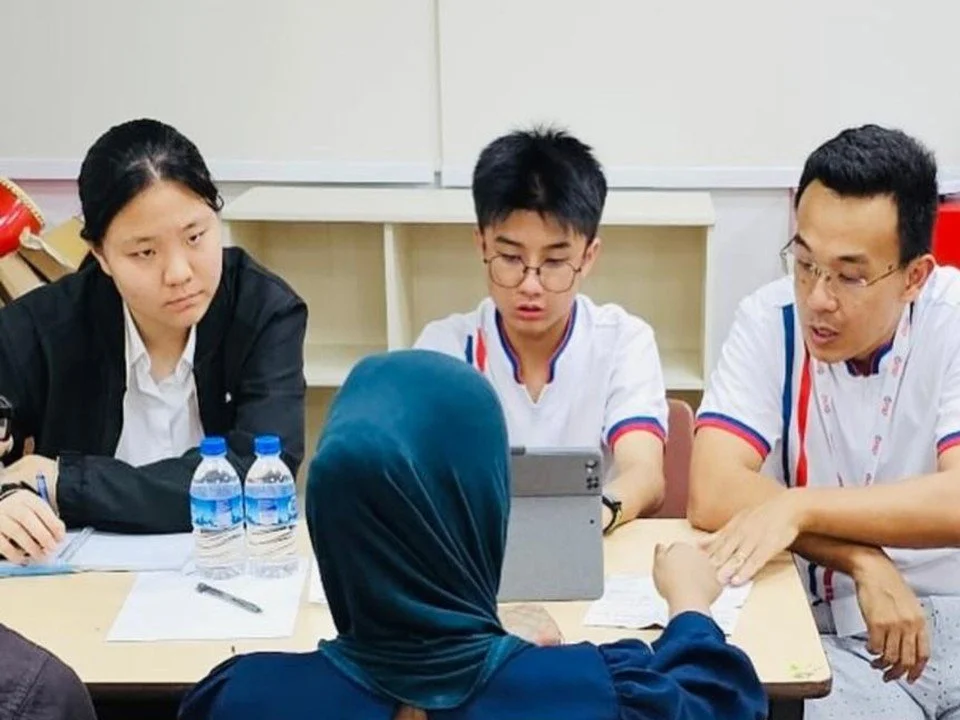
Weekly constituency casework in Singapore, roughly half of it conducted in Mandarin, turning residents' spoken concerns into written cases submitted to government agencies.
MY ROLE
Casework volunteer, Mandarin translation and case writing
IMPACT
More than 150 cases turned into written records submitted to the relevant agency
Explore →
Meet-the-People Sessions:
Mandarin, policy and civic access
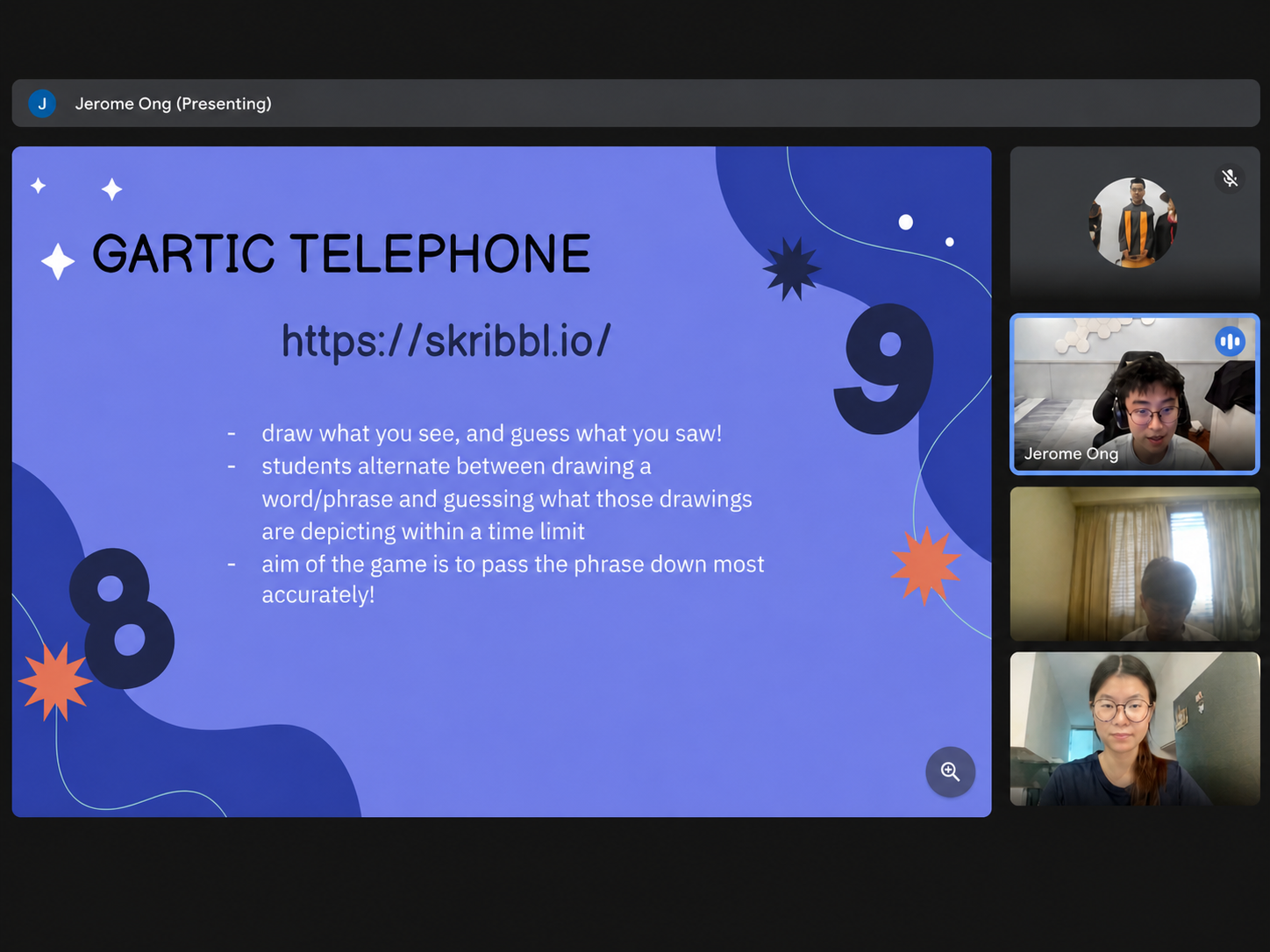
Project Reperio:
Refugee education and sustainable access
Education for refugee students in Johor Bahru, delivered on Zoom, where the cost of mobile data decides who can attend.
MY ROLE
Head of Publicity, tutor, executive committee
IMPACT
80 students reached, and close to SGD 3,000 raised for mobile data
Explore →
Research and ideas
PEER-REVIEWED
A Weapon of Mass Distraction
International Journal of High School Research, June 2026
COMMENTARY
The Language of Exclusion: When Policy Speaks and You Cannot Follow
Policy Commentary, March 2026
ESSAY
Education in an Automated World
Harvard International Economics Essay Contest, 2024
The cost of access
A free lesson is not free. Project Reperio runs on Zoom, so the first thing we raised money for was not books or school fees but mobile data: SGD 3,000 across two fundraisers. Nobody is paid to sit at a Meet-the-People table, and nothing guarantees the next volunteer speaks Mandarin. Every barrier I have worked on has a price attached, and someone is either paying it or not paying it. Working out who, and on what terms, is what took me into private equity, corporate law and consulting.
Impact →
Communicating access
I have volunteered at the weekly Meet-the-People Session in my own ward, Telok Blangah, since 2024. About half the cases I help with are in Mandarin. Not classroom Mandarin: an elderly resident describing a housing problem, and the work of turning that into something an agency will act on. Mandarin is how I reach the problem at all.
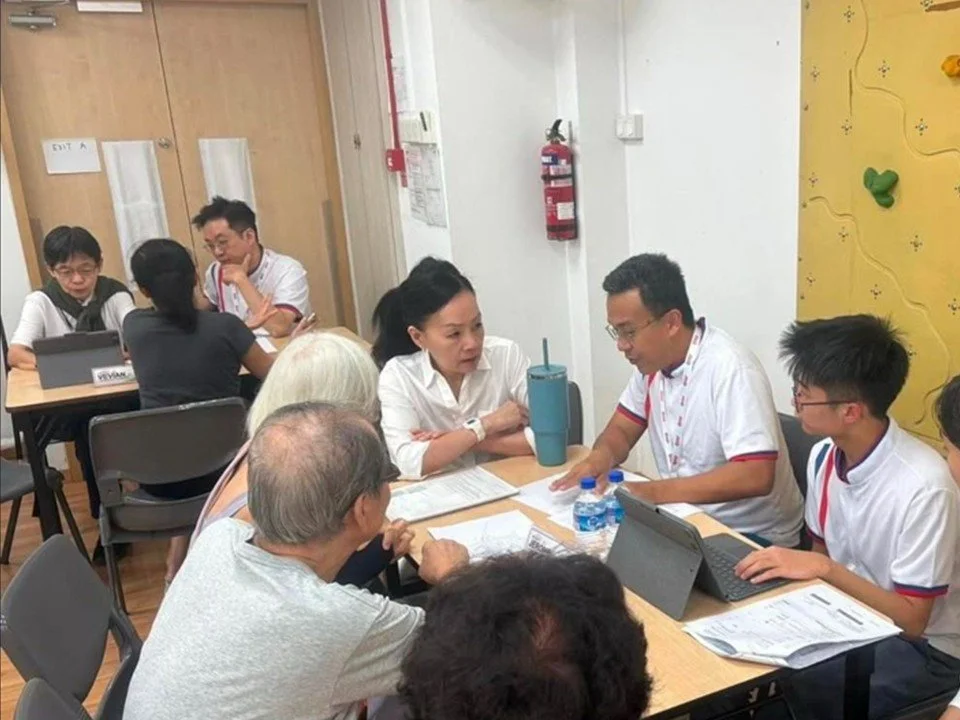
Weekly Meet-the-People Session, Telok Blangah, 2025.
Funding this work for a year has not been the hardest part. Keeping it going has. Across Southeast Asia, who should be responsible for communication access: Governments, businesses or private institutions?