Can Books Break the Barriers?
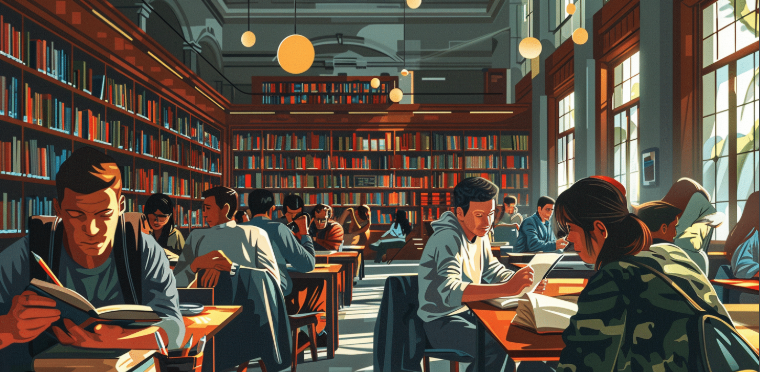
Over 750 million adults and children worldwide still lack basic reading and writing skills, according to a 2023 UNESCO report. Reading and writing are not just academic skills. They are the tools that let you navigate almost every formal system: healthcare, employment, civic participation, and education. When those tools are missing, the systems do not wait.
The barrier is often physical before it is anything else. Books cost money. Libraries in low-income areas are consistently underfunded. A 2019 World Literacy Foundation study found that children without access to books scored significantly lower on reading assessments than their peers who had access to books. That gap does not stay fixed either. Early literacy shapes where you end up, academically and economically, in ways that are hard to reverse. And without that foundation, almost everything else becomes harder to reach.
Access to books is about more than test scores. For someone who rarely sees their experience reflected, finding themselves in a story is the first signal that their perspective matters. It tells them they belong in the story too. That quietly shapes whether they develop the confidence to have a voice in public life. For communities that have historically been written out of the narratives that shape public life, that signal carries particular weight.
Efforts to close this gap exist. Activists and governments in underserved areas have pushed for expanded library funding and literacy programmes. But access alone is not enough. The question worth asking is not just whether books are available, but whether the people who need them most can actually find their way to them.
