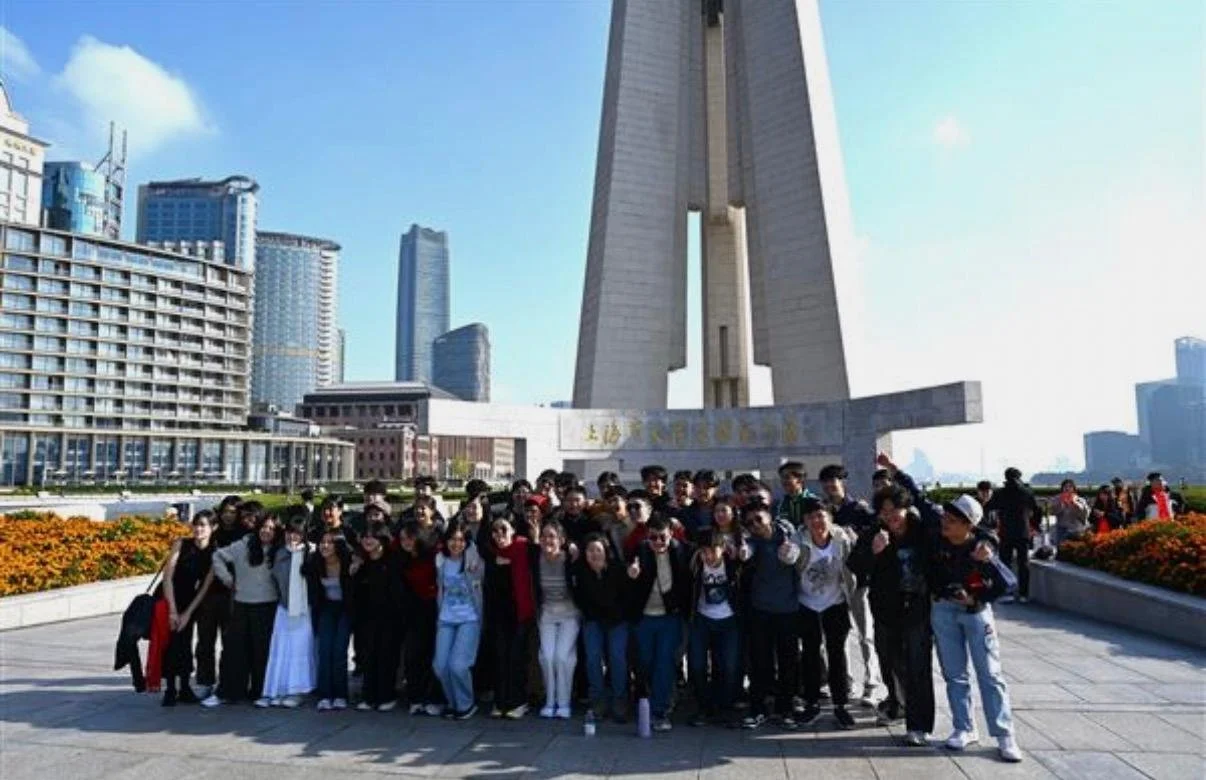
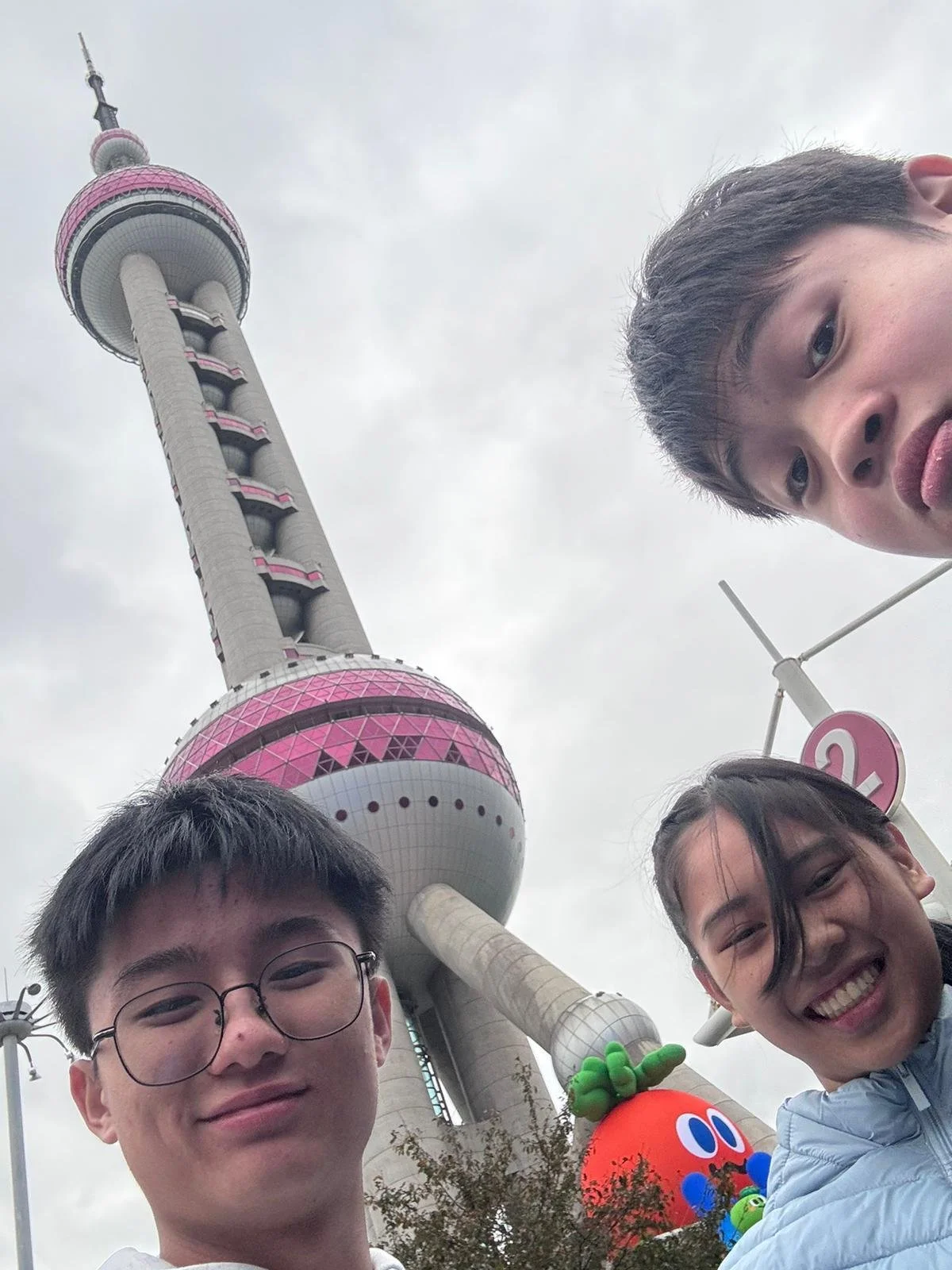
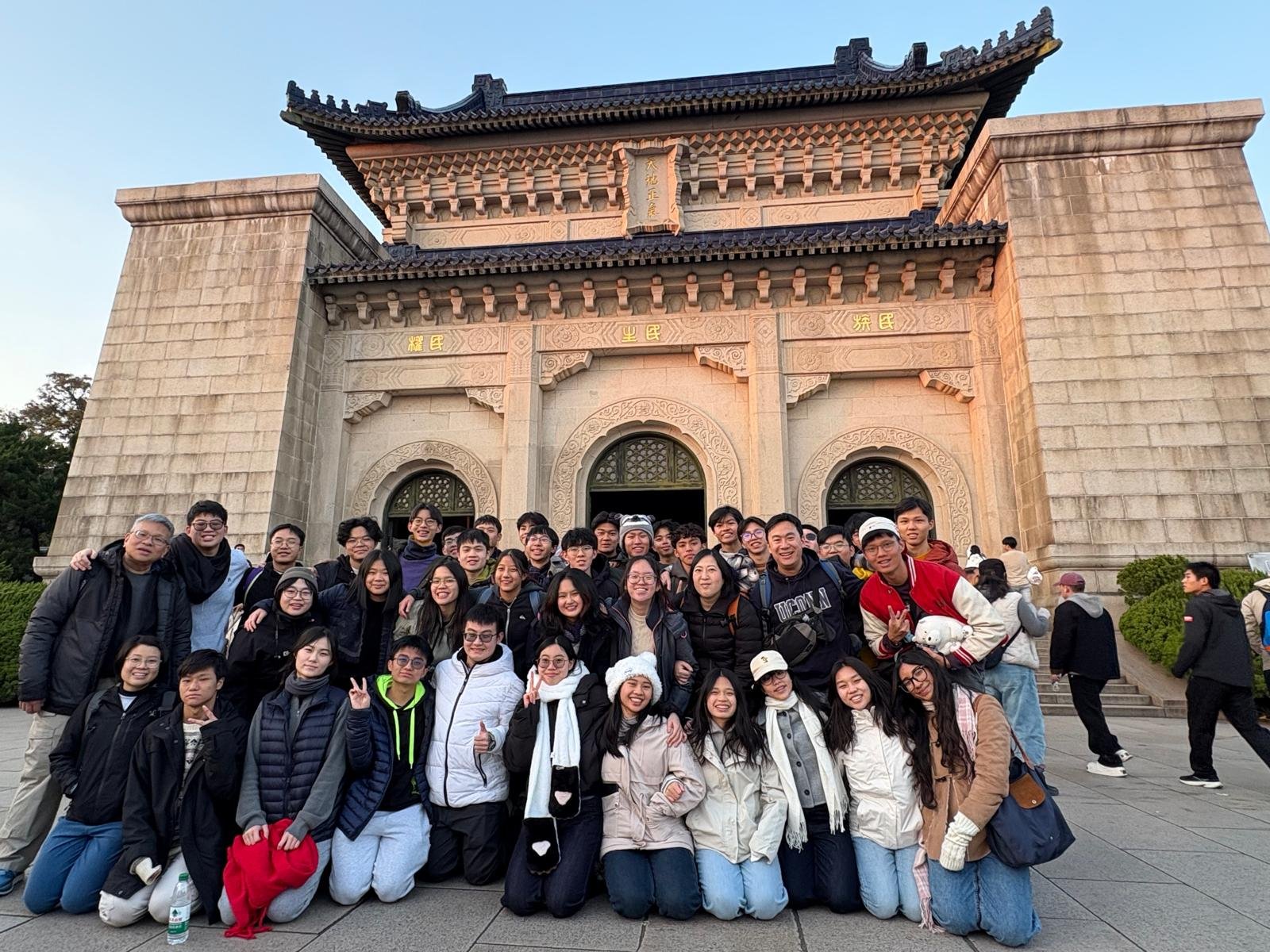
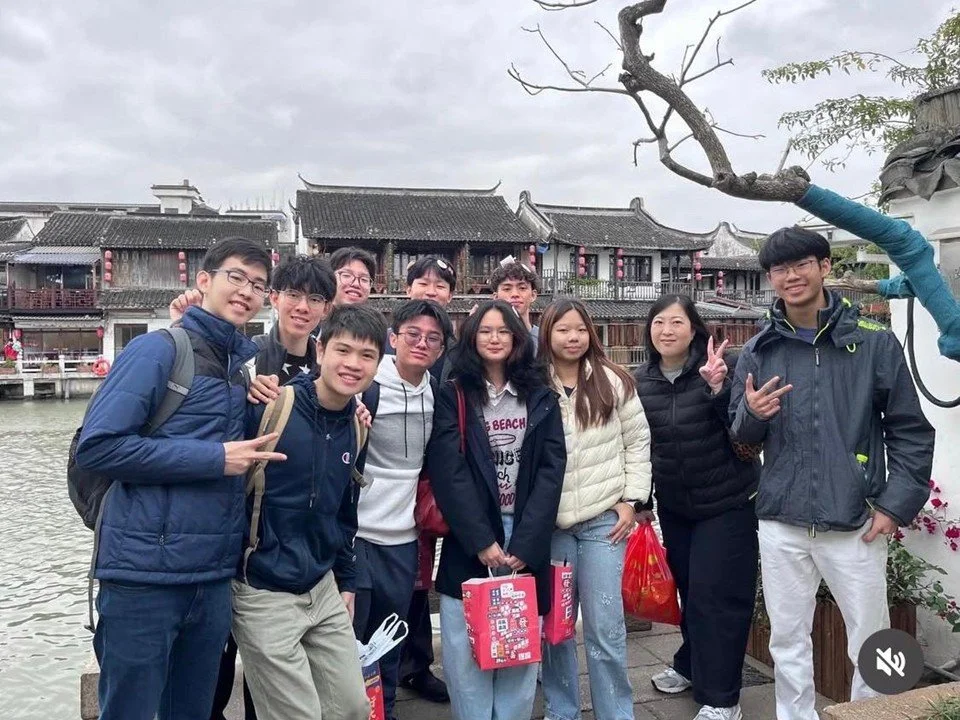
Humanities Overseas Enrichment Programme (Shanghai and Nanjing) 2025
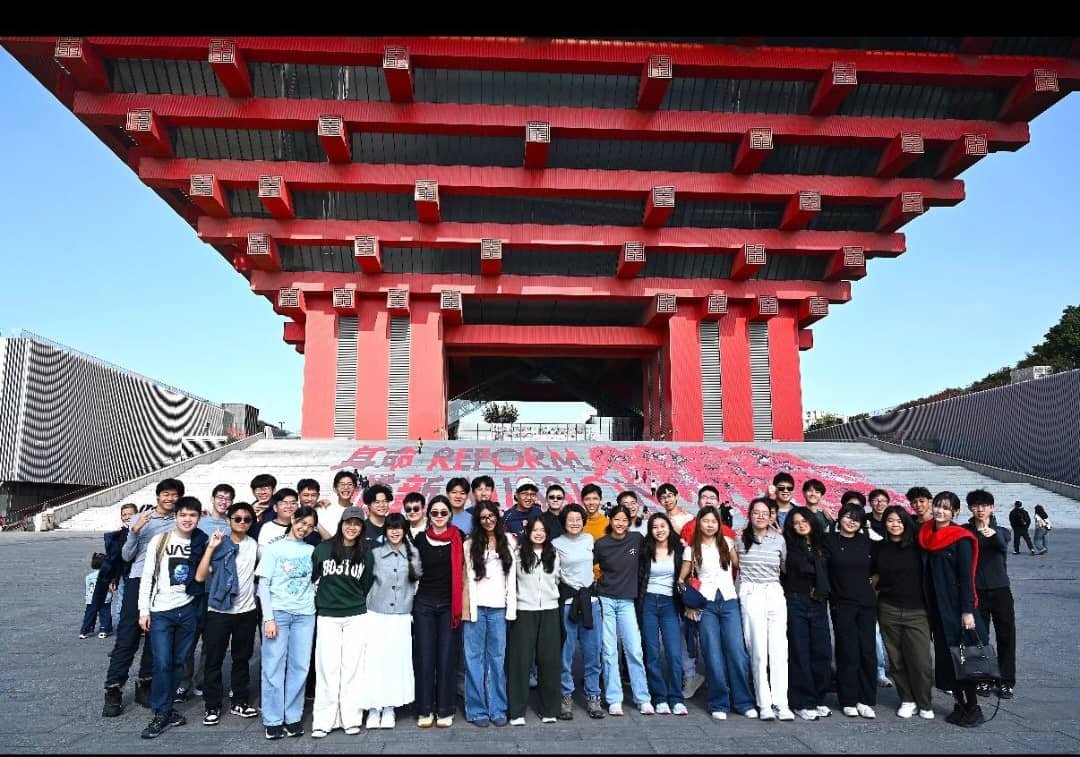
I spent six days in Shanghai and Nanjing in November 2025, on the Humanities Overseas Enrichment Programme. On paper, it was a case study in how history, governance and culture interact. In practice, it turned out to be a much harder question than I had expected.
Walking through the city's historical spaces and political institutions, I kept noticing a gap between the official narrative and the questions our group was raising in our discussions. How do governments decide which version of history to present, and to whom? Who gets to shape the story of a place, and what happens to the parts that do not fit? These were not questions the programme gave me clean answers to. They were questions that stayed with me.
The guided discussions pushed me toward something I find genuinely difficult: holding my own perspective clearly while actually listening to a different one. Comparing governance models across Singapore and China with peers who had grown up in very different political environments was a reminder that assumptions about how systems should work are not universal.
I left China with more questions than answers, questions about how historical narratives get constructed, communicated, and used to justify present-day policy decisions. Who constructs them, and for whom, matters as much as the narrative itself. The gap between the official narrative and the questions a room of students will ask turned out to be the most instructive thing in Shanghai.
Six days, Shanghai and Nanjing. Each student researched an assigned site, briefed the cohort before the visit, and contributed to daily synthesis across history, economics, geography, and governance.