Meet-the-People Sessions
Each week, residents in the ward where I live come to a Meet-the-People Session, where they raise concerns with their Member of Parliament. Volunteers translate those accounts into letters to the government agencies able to act on them. I have been one of those volunteers since November 2024, handling four to six cases at each weekly session.
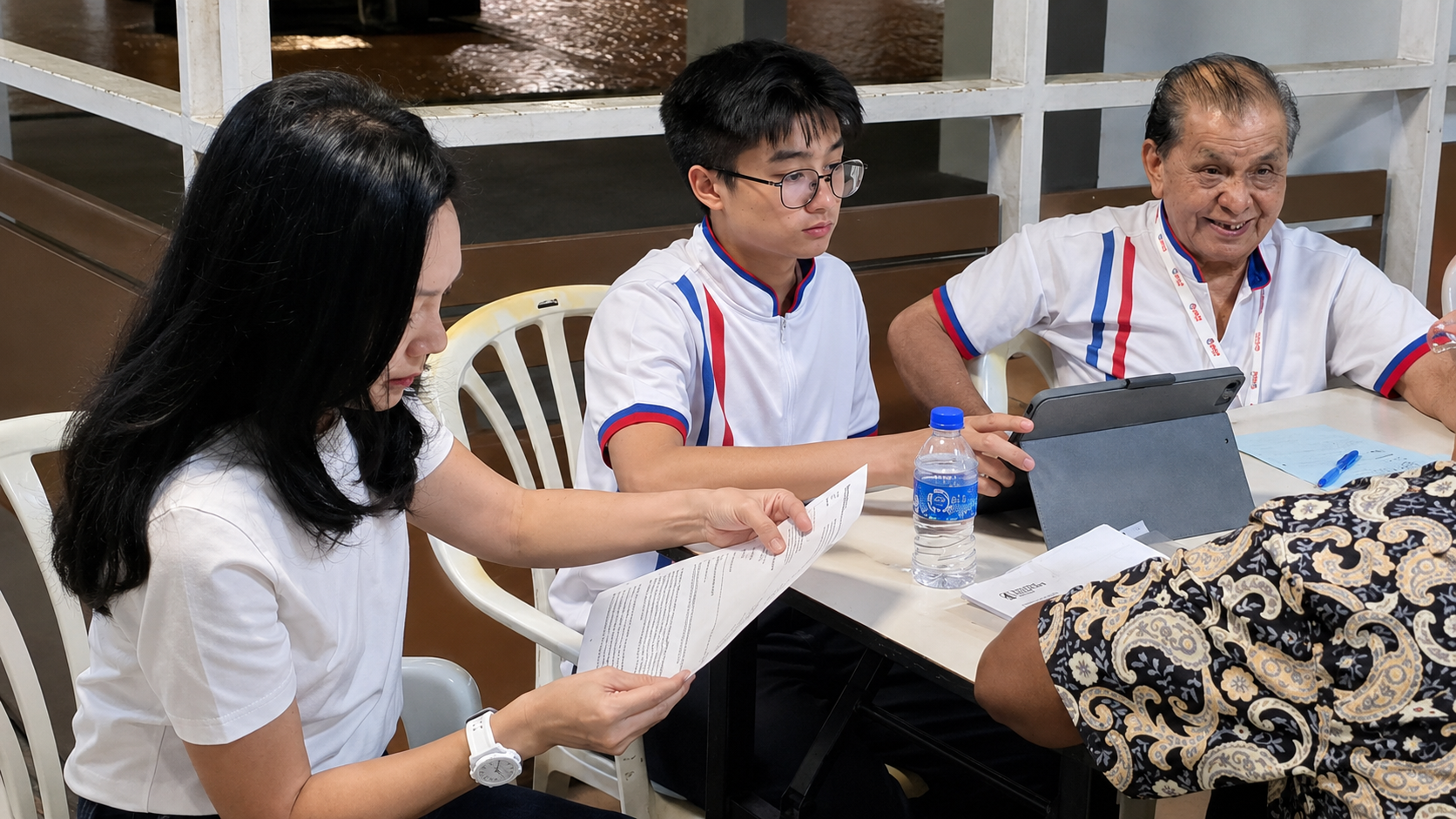
Jerome and the Member of Parliament with a resident at the weekly Meet-the-People Session, Telok Blangah, 2025.
My role
- Case writer at the weekly Meet-the-People Session, Telok Blangah ward, Tanjong Pagar GRC, since November 2024
- Four to six cases a week, more than a hundred and fifty to date
- Interview the resident, establish the sequence of events, draft the letter to the relevant agency
- Roughly half my cases run in Mandarin, and I interpret for other volunteers whose cases need it
What the work involves
The textbook version of policy is Parliament, white papers and legislation. This is where it eventually lands: with a man in his sixties who cannot pay a utility bill after losing his job; with a family whose housing transfer has been delayed for months; or with an elderly woman whose CPF withdrawal request has been refused, who does not know why and has no one to help her ask.
A case begins as a conversation and becomes a document, and the conversation is the harder half. People rarely present a problem in sequence, and what concerns them most is often not what they say first. My job is to ask until the chronology is clear, then write it in a form an officer can act on: dated, ordered, specific and in English.
Interpreting was never formally assigned to me. It was simply something the work required, and something I found I could do. Over time, it became one of the more consistent ways I contribute. What happens when a spoken Mandarin concern becomes a written English record is on the Language & Region page.
The cases described above are composites drawn from recurring situations, not accounts of individual residents.
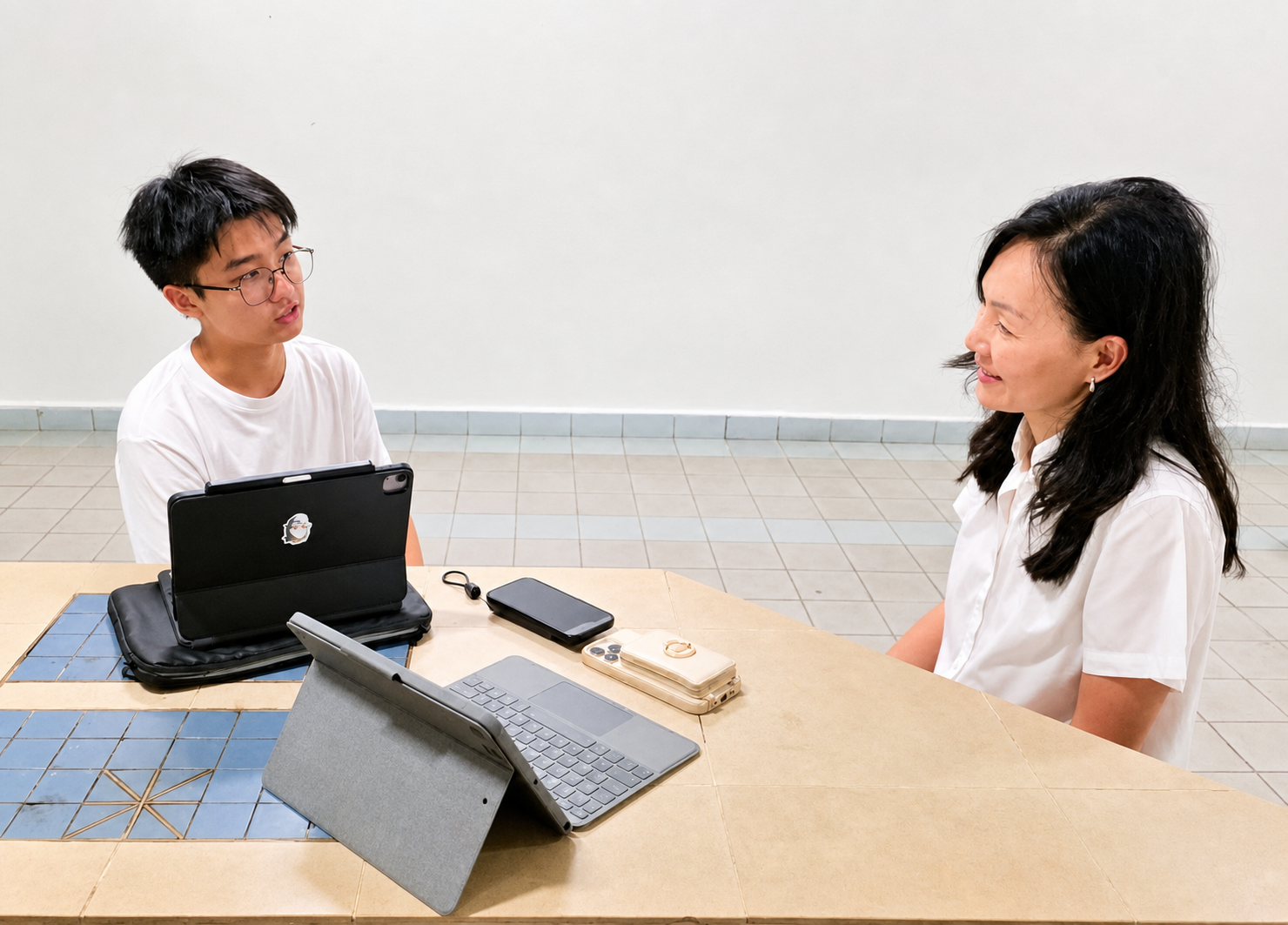
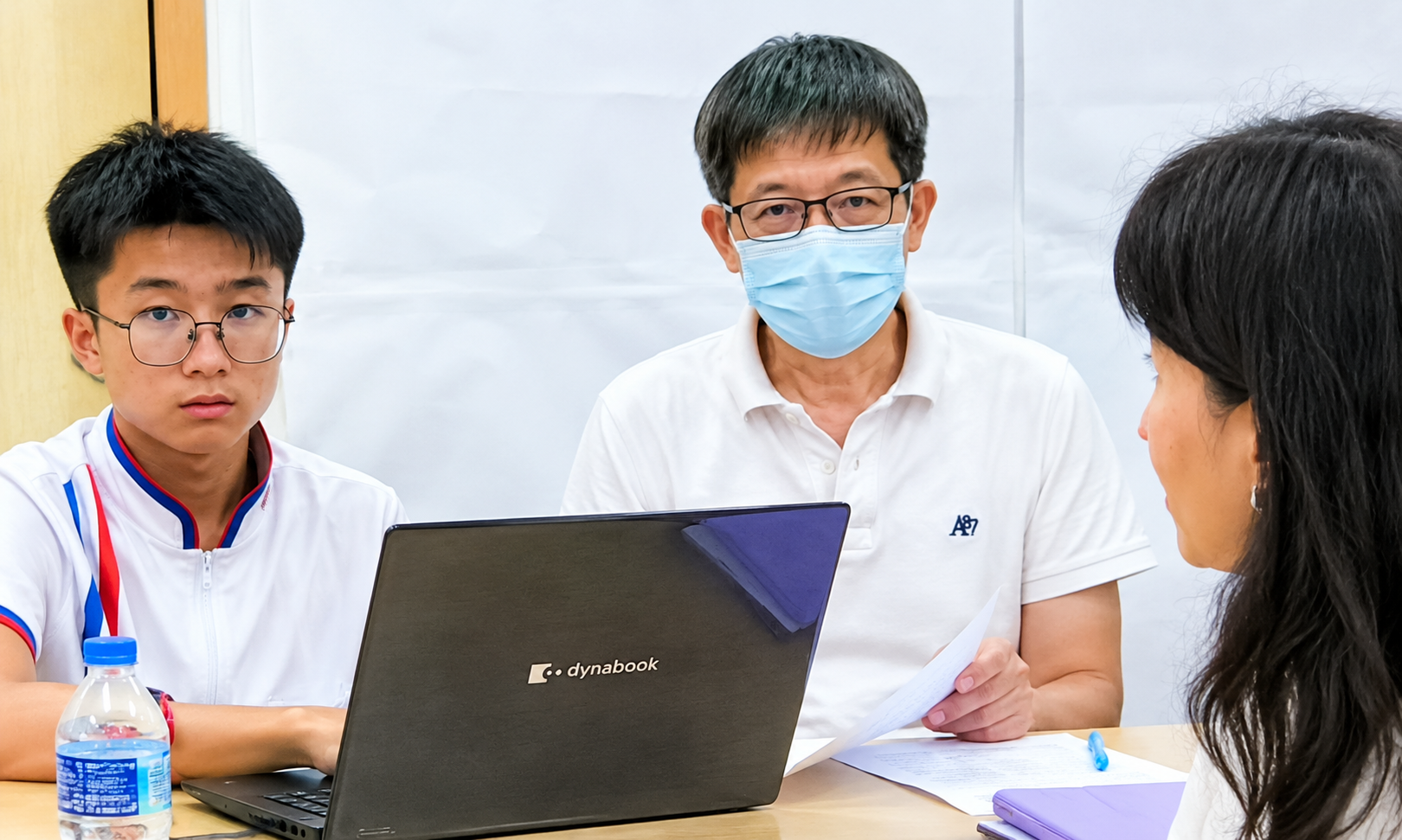
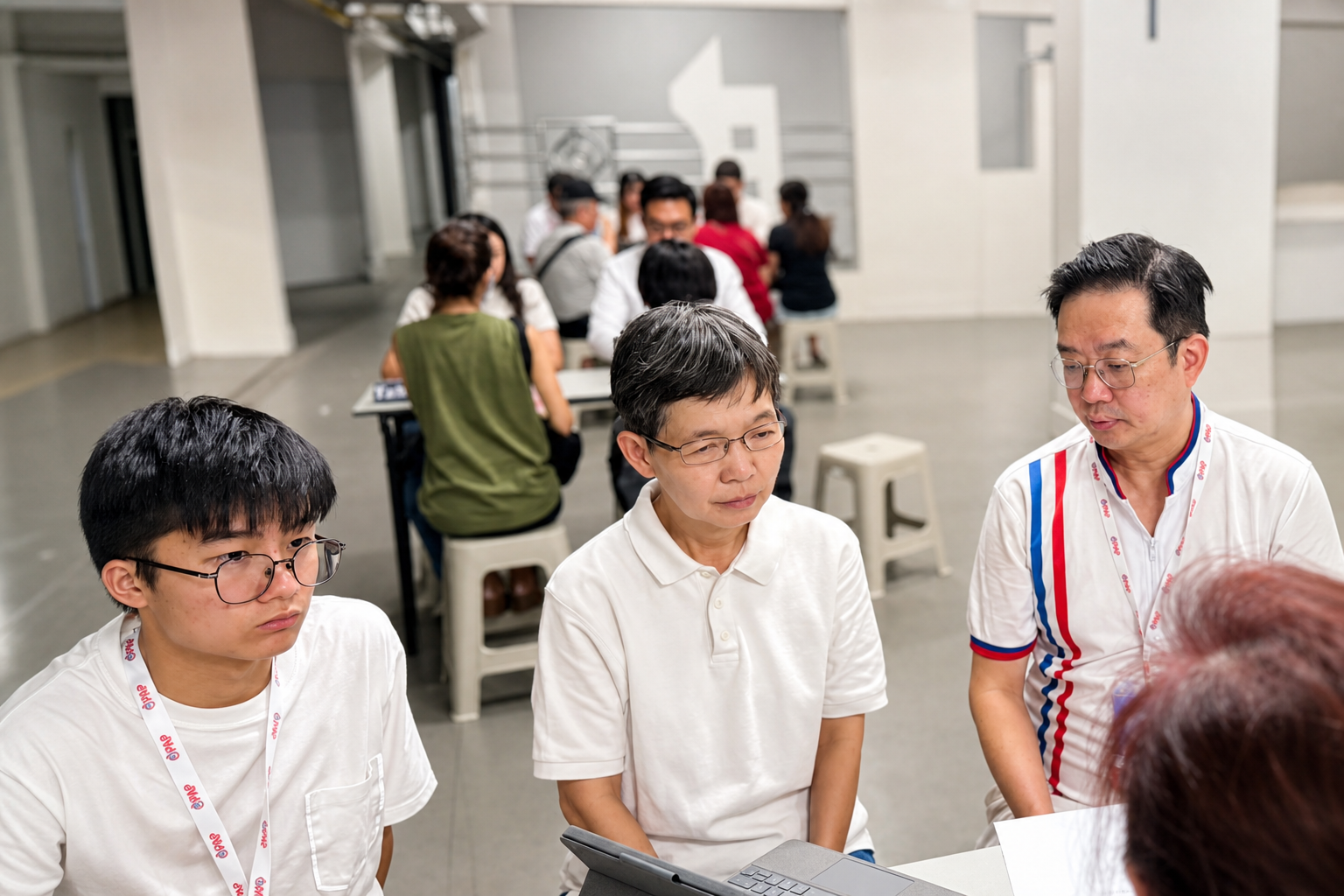
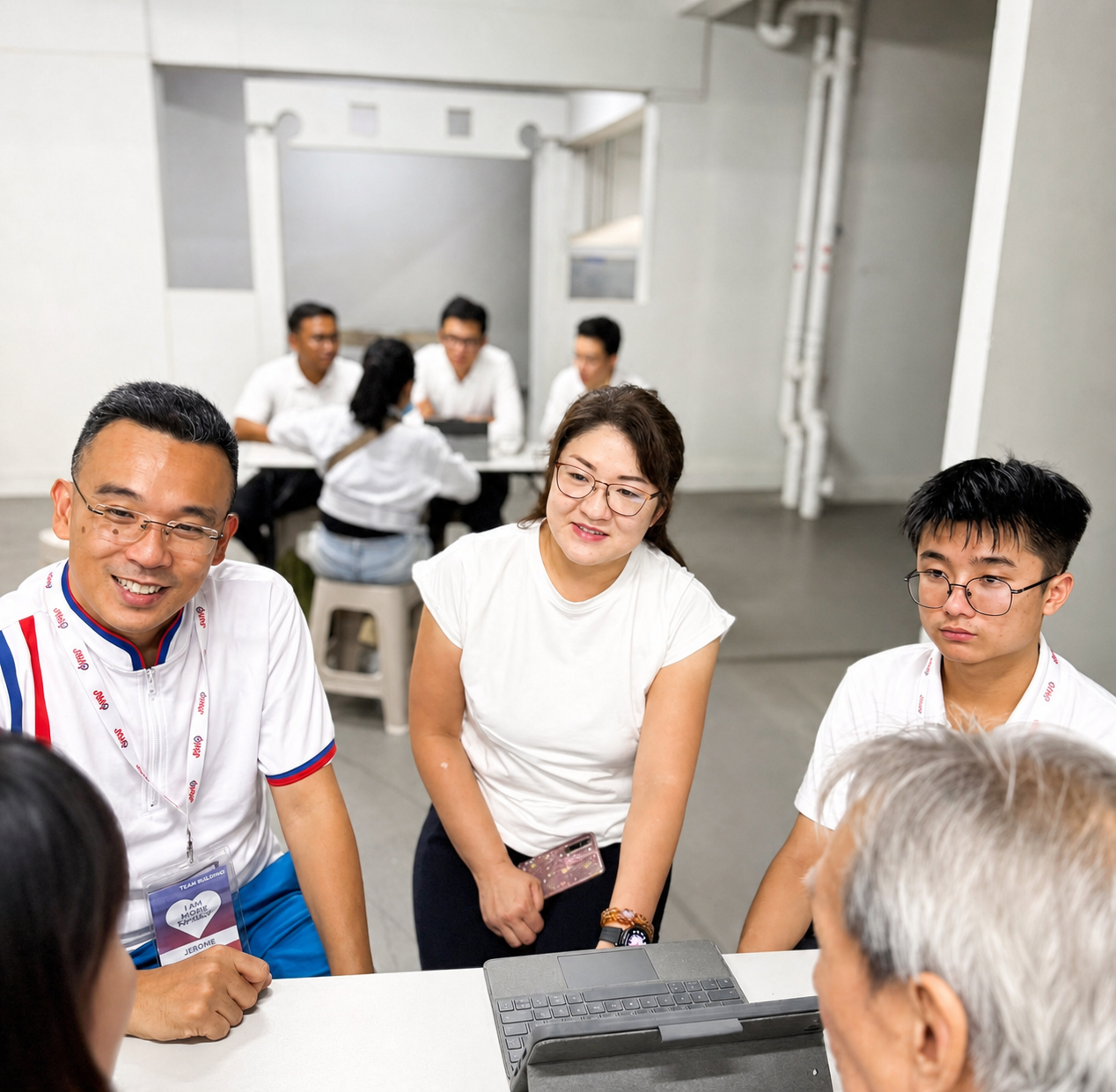
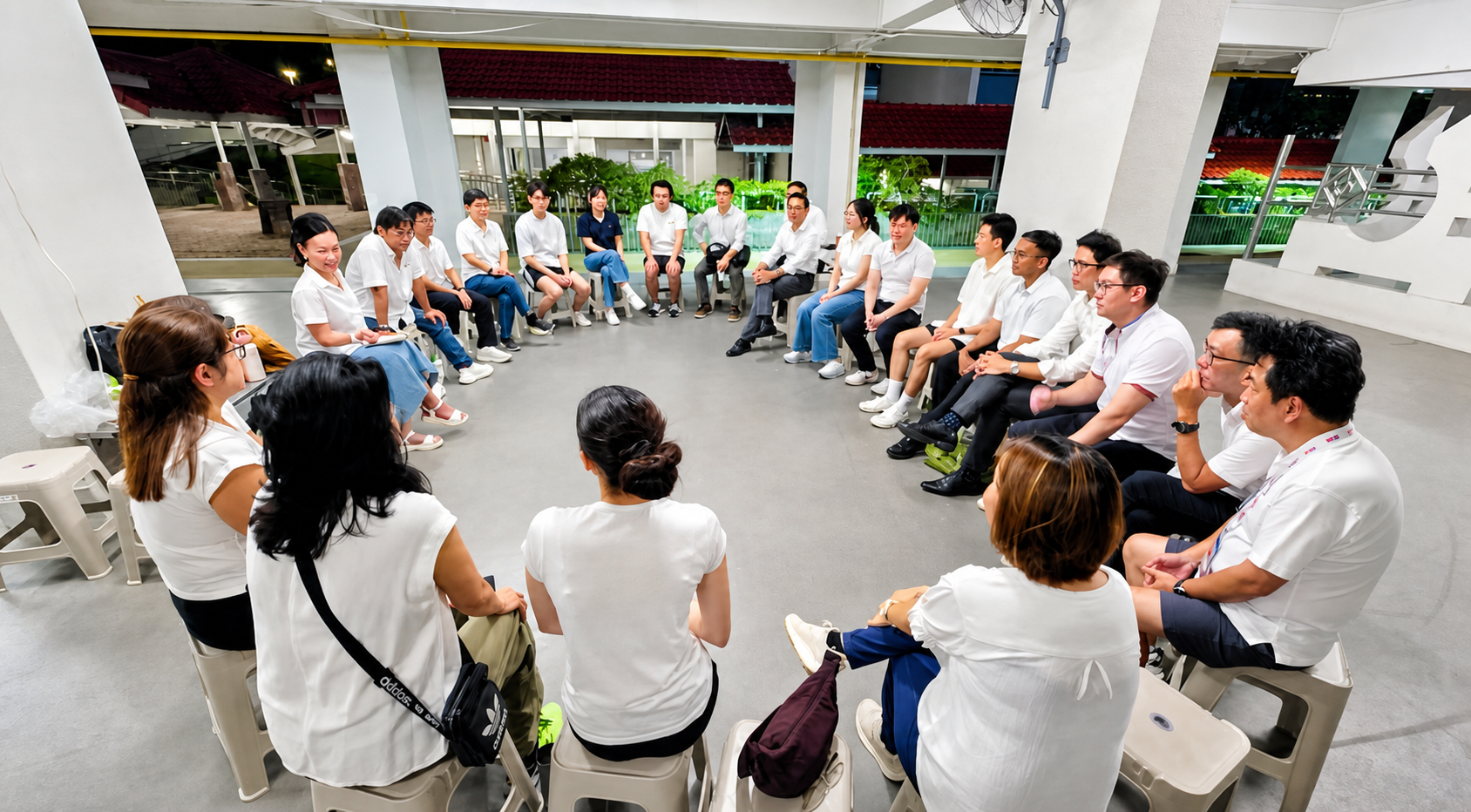
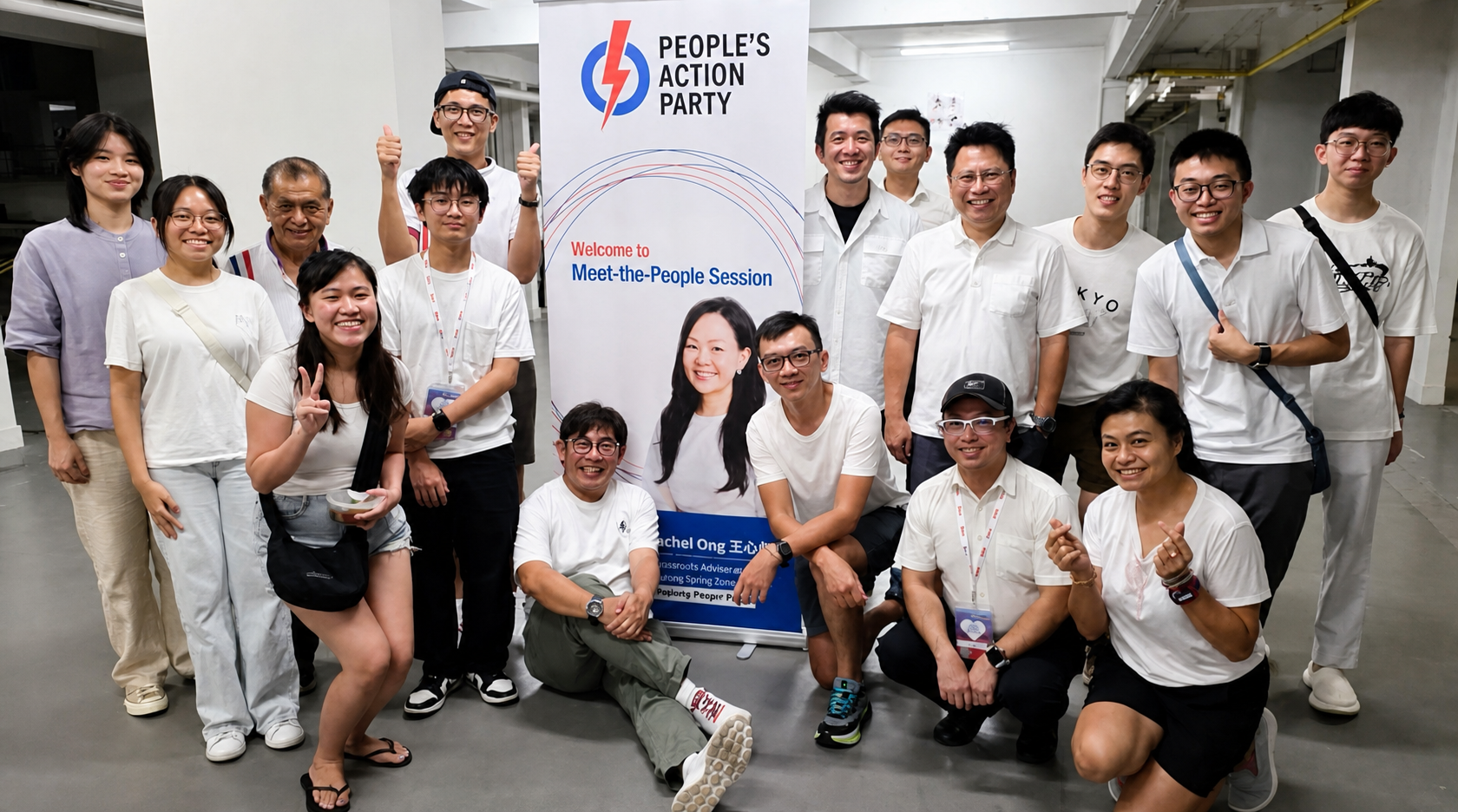
Weekly Meet-the-People Sessions at Telok Blangah, 2025, with Rachel Ong, Member of Parliament for the ward.
What I learned
In many cases I have seen, the barrier is not formal eligibility but the need to present circumstances in the form the system requires. No single step in the process is responsible for providing that help. A system can be correct at every stage and still leave someone unable to explain what they need.
I do not know how most of these cases end. The letter goes to the agency and the reply goes to the resident, so my part finishes at the point the problem is written down.
The issues vary, but the pattern rarely does. Sitting in the same room each week, you stop seeing individual misfortunes. The same three or four situations return in slightly different clothes, which tells you something about the situations rather than about the residents.
TESTIMONIAL
Jerome brings heart and competence to his work at our weekly Meet-the-People Sessions. He has demonstrated maturity, initiative, and a strong sense of public service, with the ability to engage residents from diverse backgrounds effectively in English and Mandarin.
Rachel Ong, MP for Telok Blangah (Tanjong Pagar GRC)
What I am investigating next
Each case is resolved one at a time. That is necessary for the resident in front of you, but it does little for the next person who encounters the same obstacle. I want to know whether the record, taken as a whole, can reveal something more. If the same form or eligibility test produces the same confusion across dozens of cases, that is not a run of unlucky residents; it is a design fault, and one you could write to an agency about.