Policy commentary
Shorter pieces, written roughly once a month since December 2024. They are initial responses rather than settled conclusions. Some of these questions I have come back to more than once.
The questions underneath the work
Policy design
Who a rule reaches
Policy as it is received rather than as it is written. A scheme can be published, funded and available and still not arrive. These are about the distance between a rule and the person it was written for.
Participation
Who gets a say
Whose voice counts, and who was in the room when a decision was taken about them. Whether being heard is the same as being served.
Civil liberties
Where the line on dissent sits
What a society permits to be said and done, what that costs and who pays it. Two of these compare Singapore with the United States directly.
Institutions
What makes a commitment last
Incentives, funding and durability. Whether anything holds once the attention moves on, and what makes a government or a platform keep to something when keeping to it becomes inconvenient.

What Writing Cannot Do
Writing meant only to be read cannot change one person's situation today. The paperwork at a session can. This blog cannot.

Talking to the Machine
By 2025, 48% of hiring managers used AI to filter applicants. The divide is not access to the tool. It is who has been taught to make themselves understood.

The Permanent Record
Mine is the first generation to grow up with a complete, searchable record of itself. Escaping your past is becoming something you can afford, or cannot.

About Them, Without Them
Australia locked under-16s out of social media, and adults debated the wellbeing of a generation that was not in the room. The question was who got to decide.

The Silence of the Majority: Why Young People Hold Back, and What It Costs
She wanted to speak. She decided not to. About eight in ten Singaporeans take part in no civic activity. The barrier is not information.

When Protest Goes Digital: Visibility Is Not the Same as Power
Nepal's prime minister resigned within 48 hours. Elsewhere, the same tools produced nothing. The difference was never reach. Visibility is not the same as power.

The Language of Exclusion: When Policy Speaks and You Cannot Follow
At a Meet-the-People session, I could not explain a CPF rule because I had not understood it myself. Availability is not the same as accessibility.
Who Gets to Tell the Story?
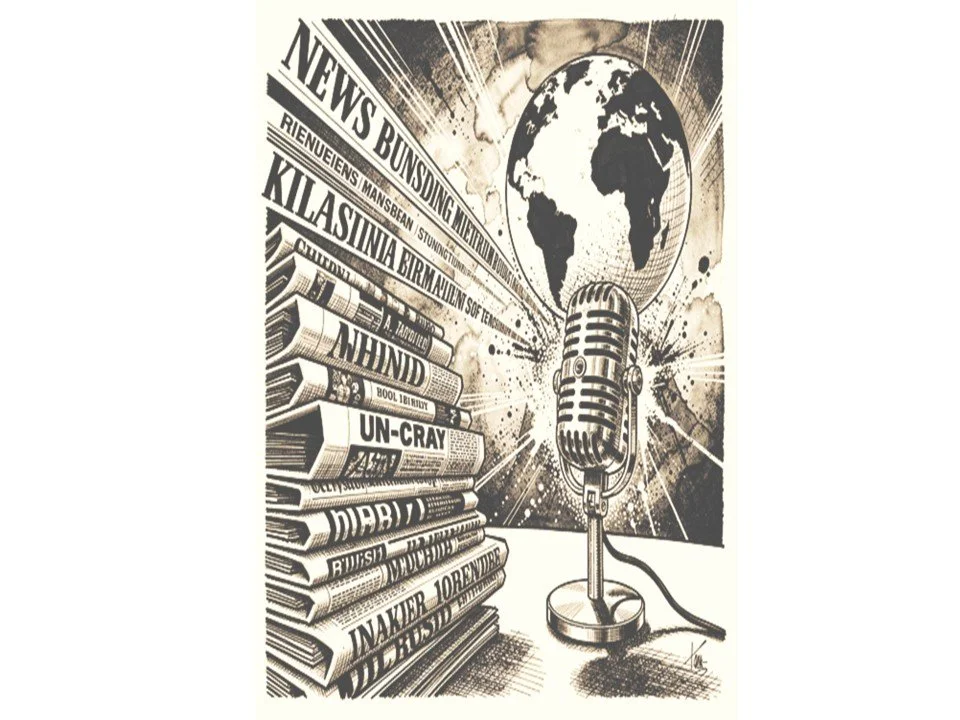
A Utusan Melayu executive said checking on the government was not the newspaper's role, plainly and without discomfort. What emerges is not a lie. It is a gap.

The Algorithm Decides Who Gets Heard
Meta pulled its fact-checkers in January 2025. A year on, the moderation layer was never the real issue. Swapping it does not change what it sits on.

Tuition Culture: The Unequal Playing Field
Households spent $1.8 billion on tuition in 2023. When most of a class arrives already taught, those who cannot afford to keep up fall further behind.

Can Books Break the Barriers?
Over 750 million adults and children lack basic literacy. Finding yourself in a story is the first signal that your perspective belongs at all.
Are Public Protests Worth It?
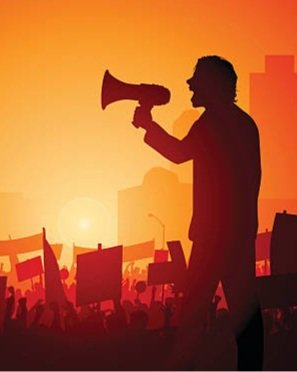
The Valencia flood protests disrupted 2.5 million commutes and cost an estimated 100 million euros, borne by people with no part in the failures being protested.

Free Speech vs Hate Speech
Singapore draws the line early, with the Sedition Act and the Maintenance of Religious Harmony Act. America draws it far later. Neither line is natural.

Preserving Culture through Policy
The Speak Mandarin Campaign launched in 1979, years before Mandarin became economically useful. The motivation was shared references and cultural memory.

More or Less: Freedom of Speech
Jolovan Wham held a cardboard sign with a smiley face and was charged with unlawful assembly. What stands out is that most Singaporeans barely reacted.

Beyond Sunshine and Rainbows: The Battle for LGBTQ+ Equality
US legislators introduced more than 450 bills targeting LGBTQ+ people in two years, alongside a global rise in visibility. That timing is not a coincidence.

The Age of Artificial Intelligence: The Greater Equaliser or Divider?
AI is cheap and powerful for anyone with a device and a connection. For everyone else it widens a gap that already existed. The bias is not a bug.

The Paradox of Censorship and Control
India met the farm union strikes with barbed wire, then with takedown orders. X noted its disagreement and complied anyway. Platforms cannot be counted on.

The Activist’s Double-Edged Sword: Social Media
Platforms optimise for engagement, not accuracy. A movement that chases what performs well online can win attention while losing the argument.

Double Whammy: Climate Change and Social Inequity
The 2022 floods displaced 33 million Pakistanis. The Loss and Damage Fund opened with USD 700 million pledged against an annual need of USD 400 billion.
The same question, wherever policy lands
The region
A vantage, not a subject
Singapore, Australia, Nepal, India, Malaysia, Pakistan.
A CPF form at a constituency office. A voting age debate in Parliament. A social media ban designed without the people it targets. Nepal’s prime minister resigning in 48 hours. India’s farm unions. Malaysian media ownership.
Read separately, posts about separate countries. Read together, one person looking at the same problem from inside a region rather than reporting on it from outside.
Policy
Followed past the argument
From what a rule says, to whether it reaches anyone, to who pays when it does not.
From Chalkboards to Change asks what a demonstration policy could not anticipate. Two years later, When Protest Goes Digital returns to it by name and asks what actually moves an institution.
That is implementation rather than opinion, and it is only visible if the two are joined.
Institutions
What holds, and what does not
Incentives, funding and the gap between a promise and its delivery.
The Algorithm Decides Who Gets Heard revisits its own assumption and lands on incentives rather than rules. Talking to the Machine reopens an earlier post and finds that access was not the whole divide.
Both end where the durability question begins: what makes anything hold once the attention moves on.