Project Flare
Project Flare teaches public speaking and formal communication to student leaders at Grace Orchard School in Singapore, which serves students with mild intellectual disability. Structure, register and the unwritten expectations of formal speech are conventions people are expected to pick up implicitly. They are more useful when taught explicitly. Project Flare does that through workshops and biweekly lessons built around practice rather than lecturing.
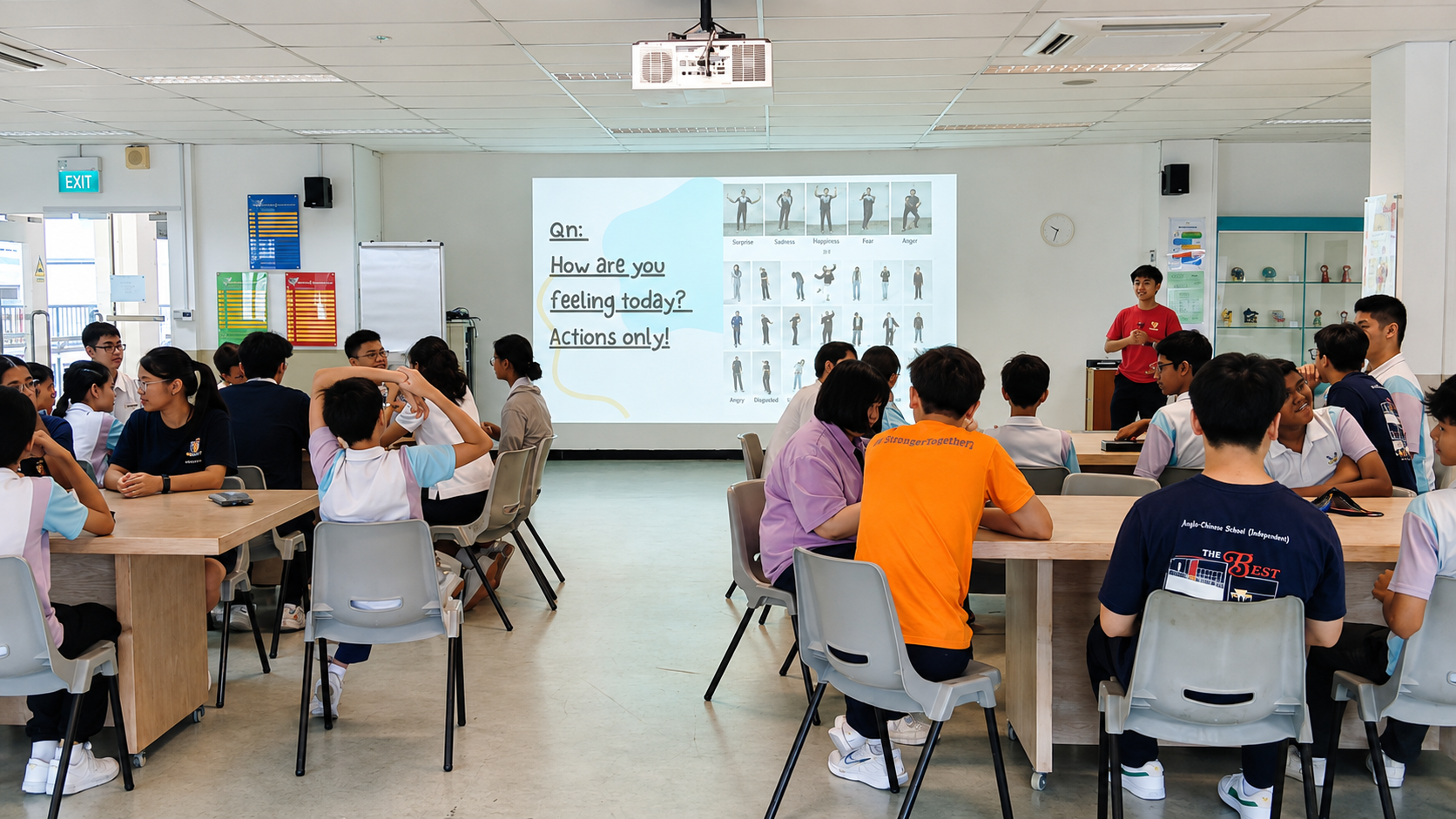
Communication workshop at Grace Orchard School, 2025.
The figures above count student leaders who have attended at least one session since delivery began in April 2025. They count participation, not progress or outcomes.
My role
- Founded Project Flare and built a founding team of three
- Built an executive committee of six and a volunteer base of more than fifty
- Conducted training for volunteers, most of whom had not worked with neurodiverse students before
- Co-designed the communication curriculum and revised it between cycles
- Secured and managed the partnership with Grace Orchard School
- Reviewed teacher feedback after each session and revised lessons in response
What I built
The work has two parts, and the second is harder.
First is the programme: a workshop series supported by biweekly lessons. Workshops introduce ethos, pathos and logos through practice, using examples from students' own lives rather than abstract instruction. In the biweekly lessons, students apply those tools under pressure by delivering short speeches, reflecting on their performance and giving structured feedback to peers.
Second is the organisation behind it. I secured and manage the school partnership, and I train volunteers, most of whom have not worked with neurodiverse students before. The programme cannot be written once and delivered unchanged. Students respond differently to each activity, so after every session I gather teacher feedback and revise the curriculum between cycles.
Our first school partner withdrew shortly before launch, leaving Project Flare with trained facilitators and a completed curriculum but nowhere to teach. Finding a replacement became my responsibility, and the rest of the team could not begin delivery until I did. I approached Grace Orchard with a ready-built curriculum, prepared facilitators and a programme intended to give students a platform to speak with confidence. They agreed, and delivery began in April 2025.
That restart was possible because the curriculum and volunteer training had been documented, rather than held in any one person's memory. That is the same thing I now worry about when I think about whoever runs this after me.
The best sessions were the ones that took an unexpected turn. A student would take an example we had written and use it for something else entirely, and the room would follow them rather than us. By the third time it happened, I stopped seeing it as a lesson going off-plan.
By the end of the year, students were delivering one-minute presentations. That is a participation milestone rather than evidence that the skills transfer beyond our sessions.
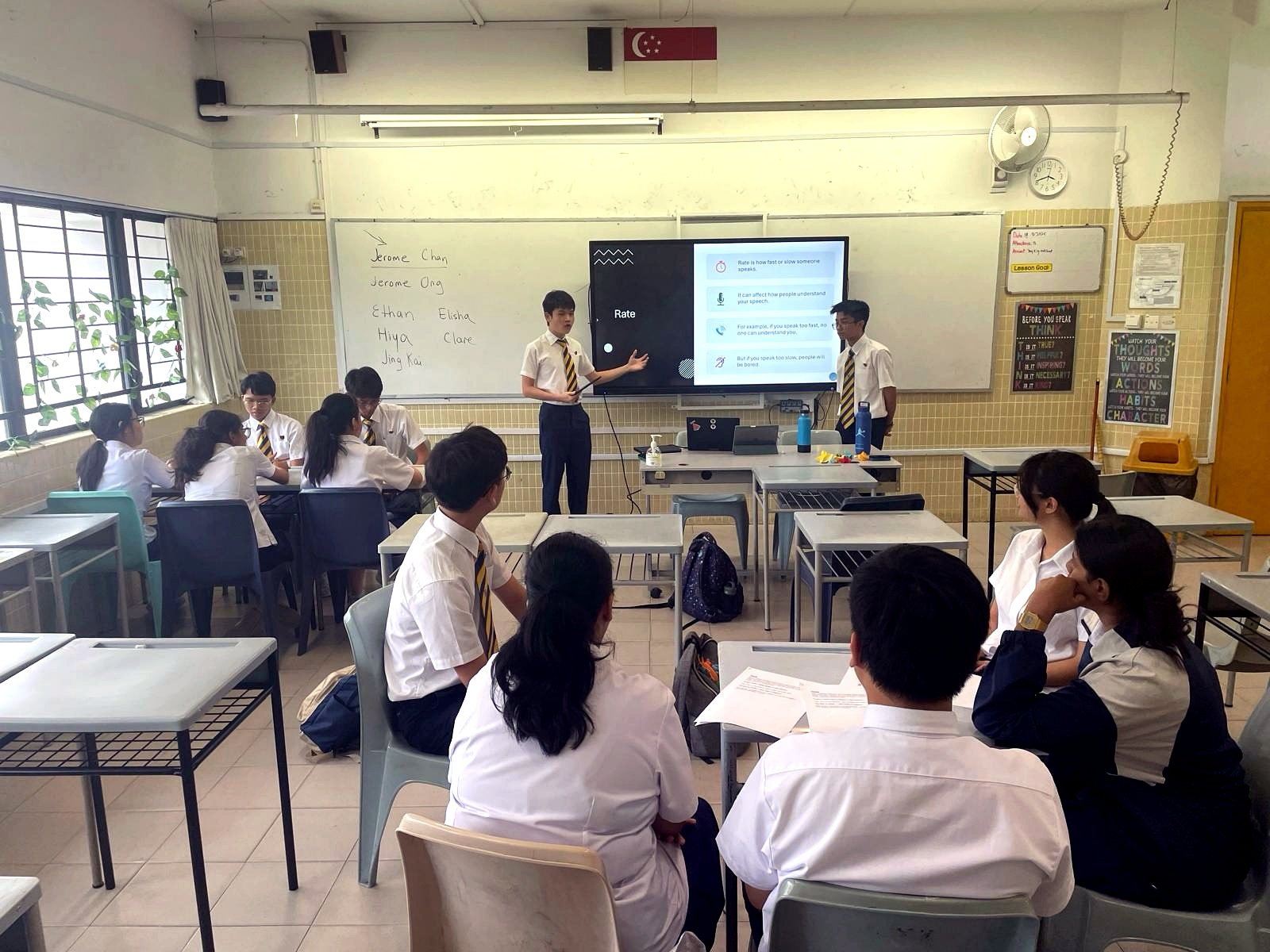
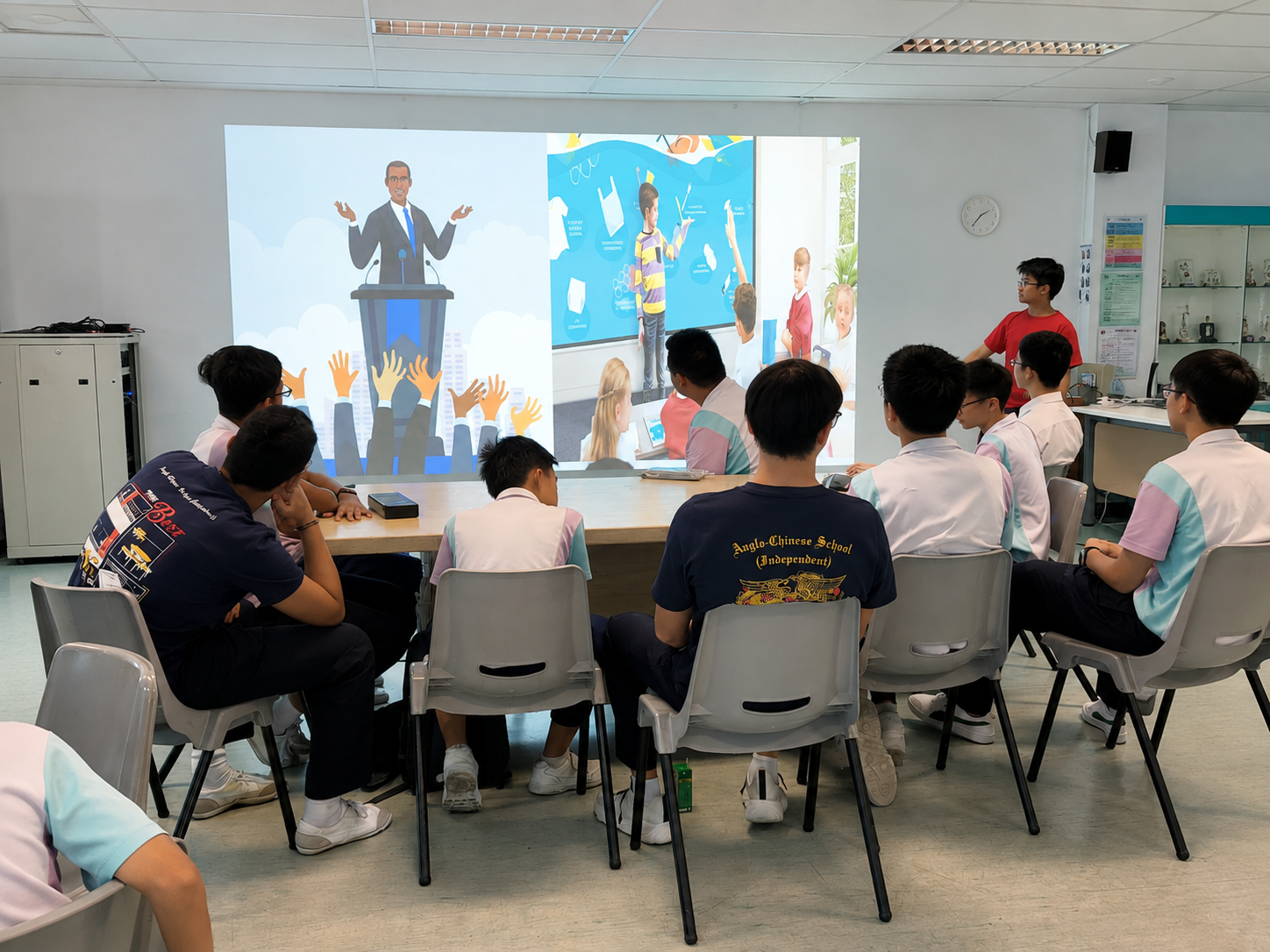
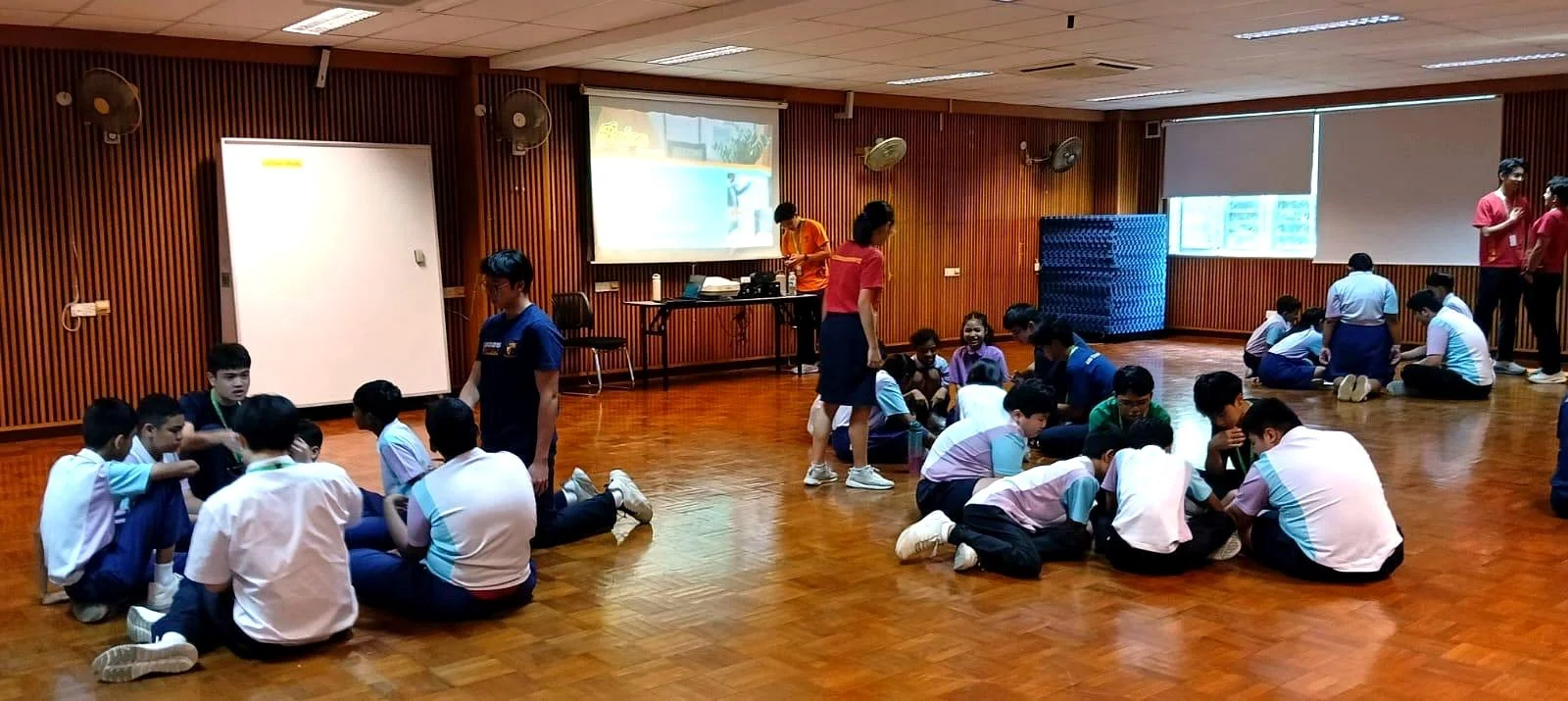
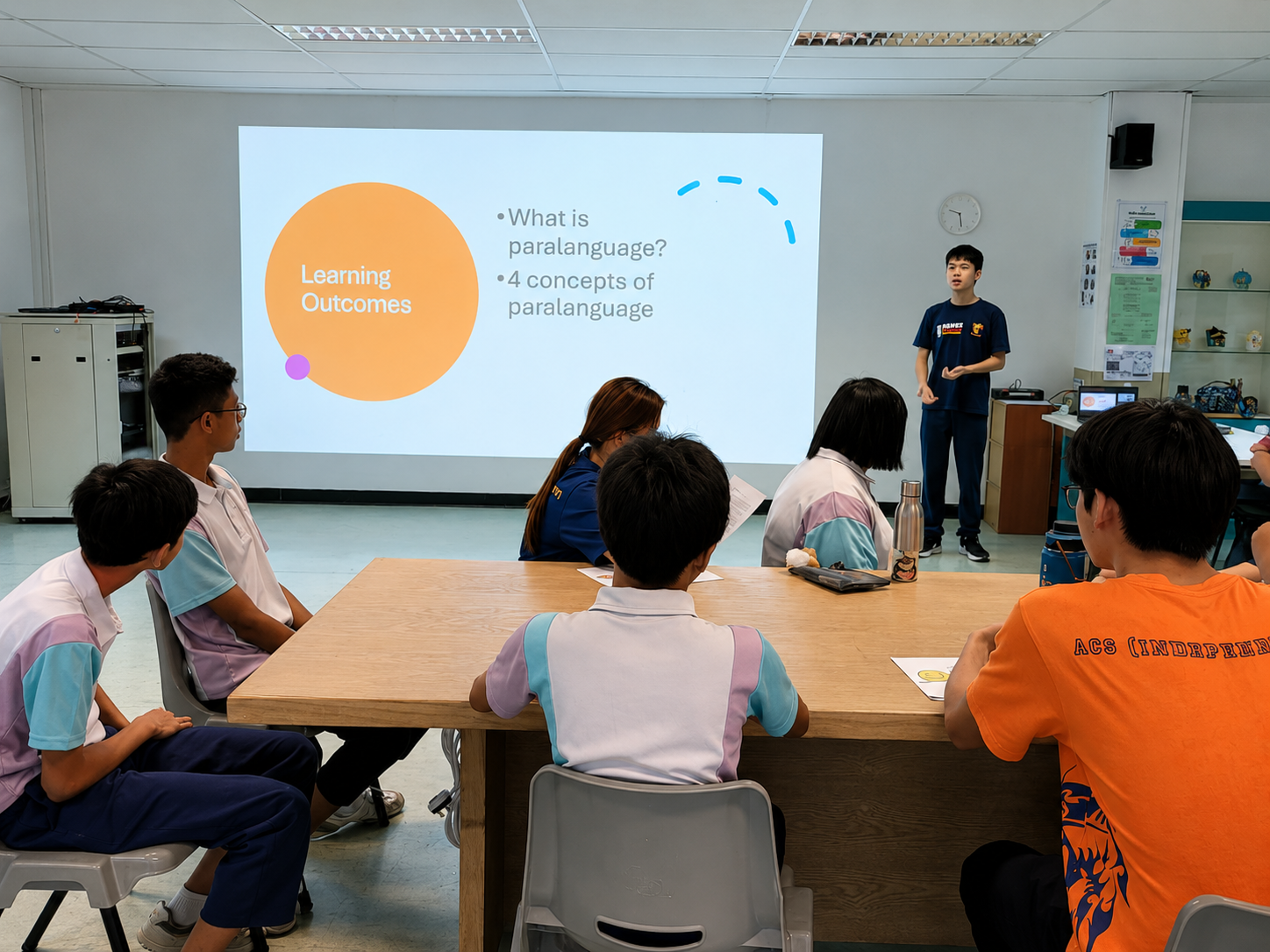
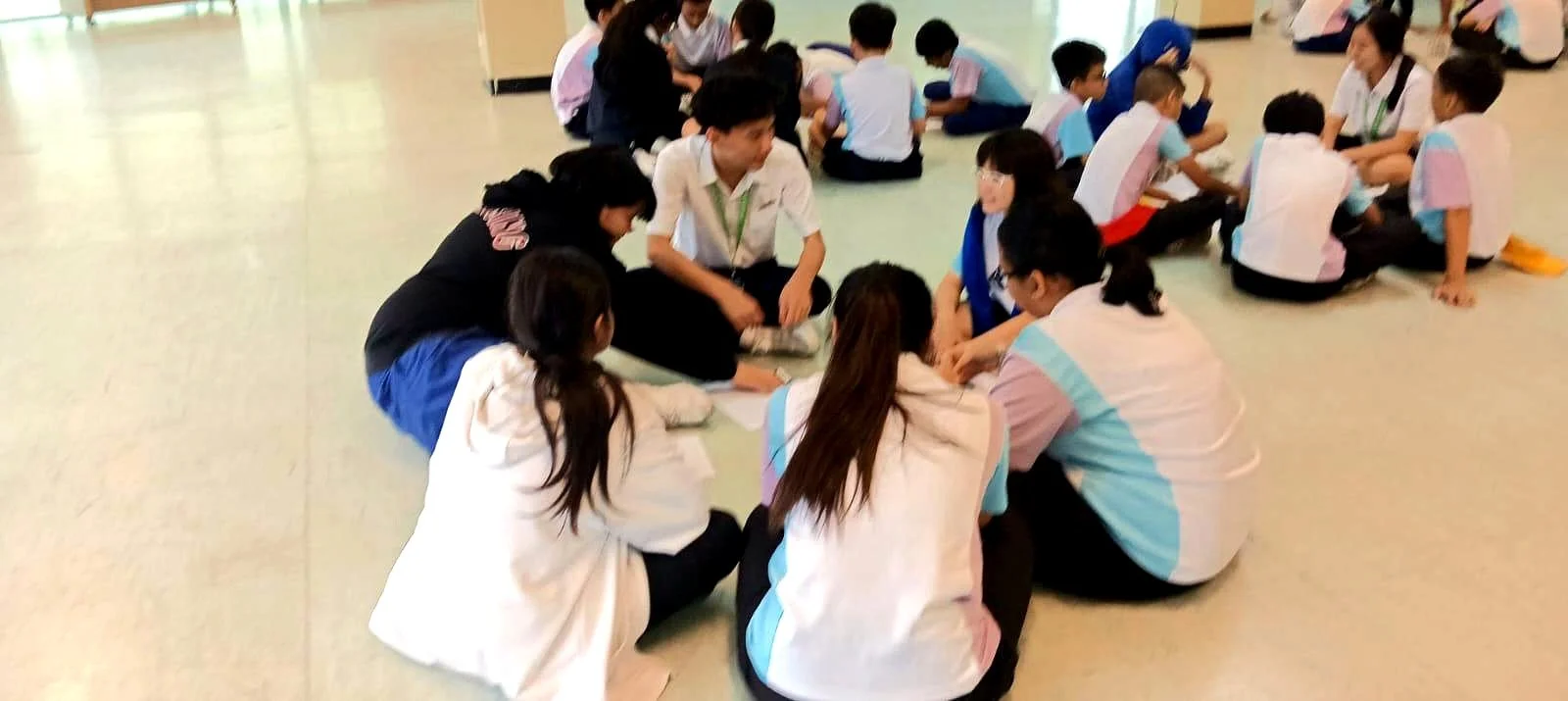
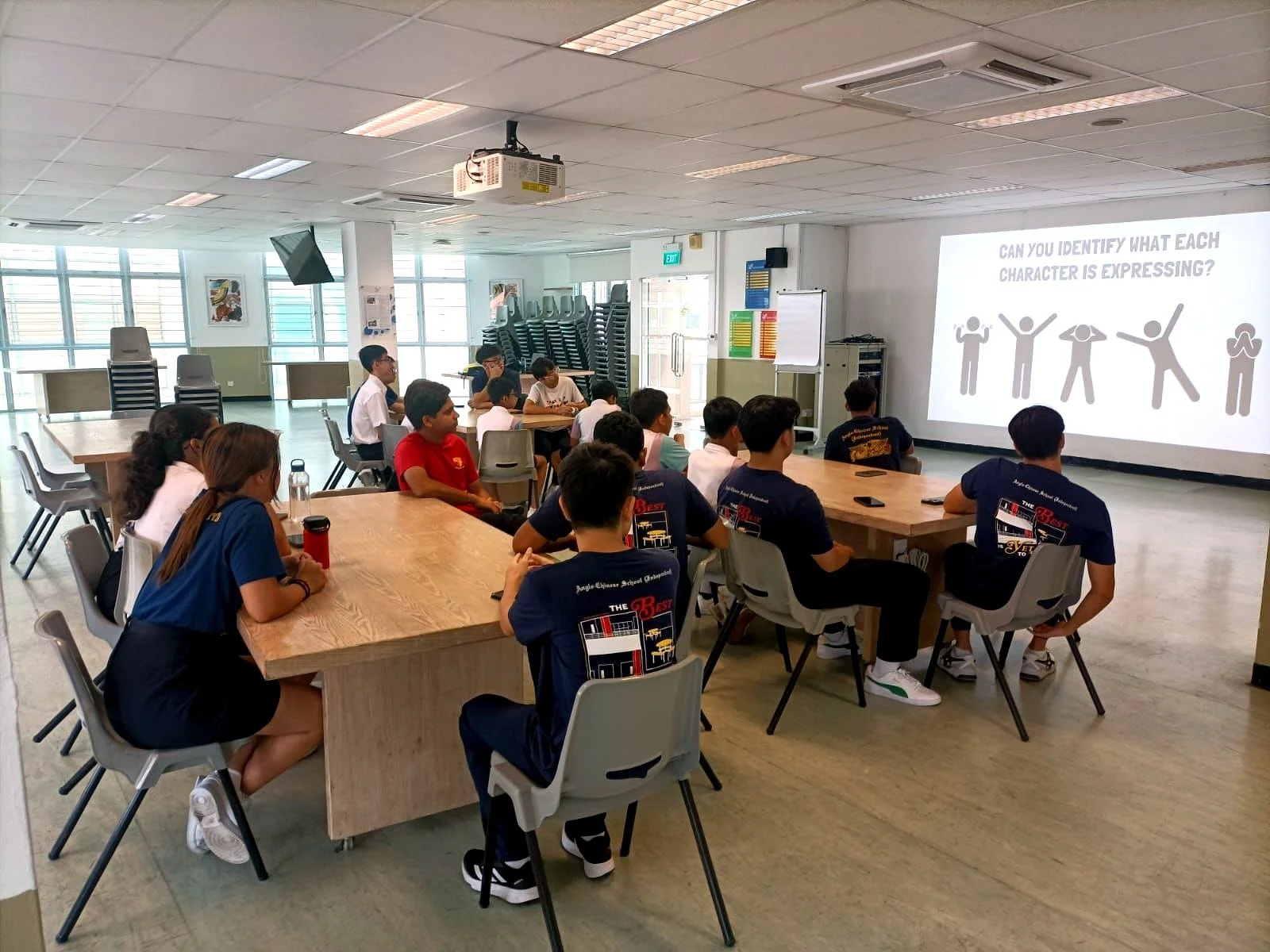
Volunteer training at ACS(I) and sessions at Grace Orchard School, 2025.
What I learned
Inclusive employment is often framed as a matching problem: find the employer, find the worker and connect the two. Working at Grace Orchard changed what I saw as the major constraint. A willing employer also needs a worker who can explain a need, request an adjustment and navigate everyday exchanges with colleagues. If those skills have not been taught explicitly, job matching has nothing to attach to. The gap is not the employer's willingness. It is that nobody has been made responsible for the thing that has to exist before the willingness matters.
I also learned not to trust my own read of a lesson. What looked engaging to us could be too abstract for students. Teachers were better placed than we were to judge what had landed: we simplified activities, changed examples and replaced verbal instruction with hands-on practice.
What I am investigating next
The real test is whether these skills transfer beyond the classroom, and I do not yet know whether they do. Everything we can currently observe takes place in a setting we control, where the student speaks and we are the audience. Readiness there is not the same as in a meeting about their education or in an interview, where the room is unfamiliar, time is limited and no one is there to guide the exchange.
I want to work with the school to identify what can reasonably be followed up after students leave, and whether the curriculum should be designed for these specific settings rather than for public speaking in general.
Project Flare is also discussing whether its curriculum could be adapted for schools in Indonesia. What cannot simply be carried over are the communication norms each school expects and what each language brings. That is a harder question than translation, and I do not yet know the answer to it.

IN PARTNERSHIP WITH

Written by the school at the end of the first year of the partnership. It records what Grace Orchard observed in its own setting.
TESTIMONIAL
Under his guidance, the Project Flare team translated complex rhetorical concepts into highly practical, actionable lessons addressing critical competencies such as vocal dynamics, narrative structuring, audience engagement, and situational confidence... He successfully managed high-level institutional synchronization while remaining deeply invested in the pedagogical growth of our students.
Tamil Selvi, Subject Head (Student Leadership), Grace Orchard School